


Reviews - Regional News | Connecting Wellington

Reviews

The Weed Eaters | Regional News

The Weed Eaters

(R13)

81 minutes

(5 out of 5)

Reviewed by: Isabella Smith

At the Q&A screening of The Weed Eaters, directed by Callum Devlin, someone put their hand up and said, “Thanks, that was hilarious, beautiful, disgusting.”

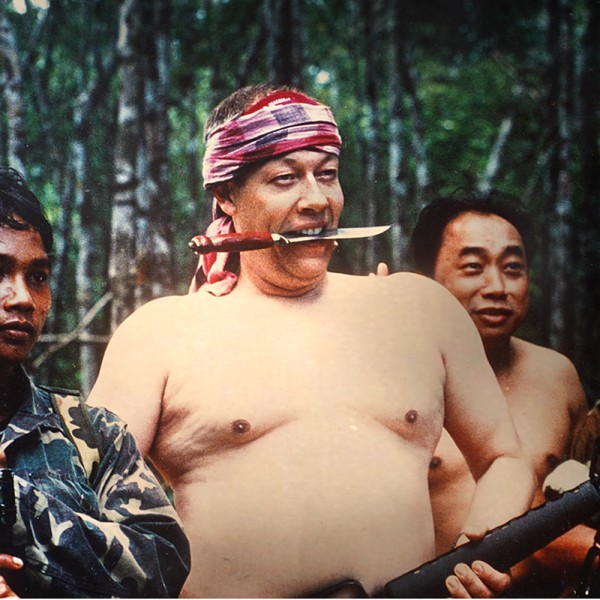
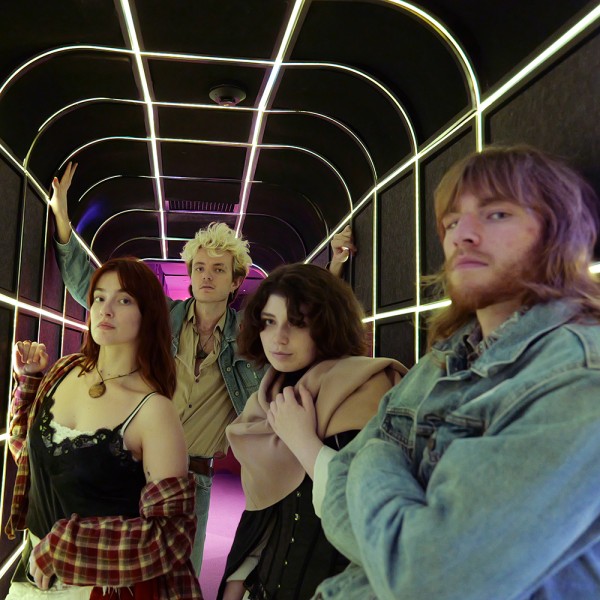
The Weed Eaters is a Kiwi horror-comedy that already feels like an instant classic. Four friends go rural for New Year’s Eve and smoke a bunch of weed that gives them the munchies so bad they end up eating people.

A DIY project between some incredibly talented mates, the cast and crew consisted mostly of the same seven people: Alice May Connolly plays Jules and was the on-set caterer, co-writer, and producer, Samuel Austin plays Campbell and was cinematographer and gaffer – the overlaps go on and you might as well scrap the titles and call them a band. A band that created an exceptional film that rides the line between horrific and hilarious better than I think I’ve ever seen.

The script sits in the perfect register of four Kiwi drongos who are seriously stoned and maybe a little bit bored. The acting from Connolly, Annabel Kean (Charlie), Finnius Teppett (Brian), and Austin was outstanding – their ability to make the eating of a human body somehow erotic, grotesque, and funny is a mix I’m not sure I want to know the recipe for.

Like any good horror, each time it got dark outside you heard a groan from the audience. At one point I thought the film was so far down the horror end of the spectrum it couldn’t possibly bring the audience back to safety. Then there was another cracker, flippant remark and we were suddenly back in that happy place.

I doff my hat to the rhythm of the film. Devlin says that “comedy is all about… the pacing”, which Austin put down to their combined musical experience and history of creating music videos. In terms of the music, the soundtrack was impeccable, celebrating local indie artists and featuring a jazz score written and performed by Callum Passells, who somehow overlaid the scenes where human flesh is consumed with music that made the act appear surprisingly chic.

The film does what a lot try to do (not always succeeding): stretch the audience’s response across such a wide range of emotions that all you can do is squirm and laugh. And squirm and laugh we did.

Farce Onion | Regional News

Farce Onion

Presented by: PopRox

Created by: Ryan Knighton and Stevie Hancox-Monk

BATS Theatre, 15th Apr 2026

Reviewed by: Numi Stössner

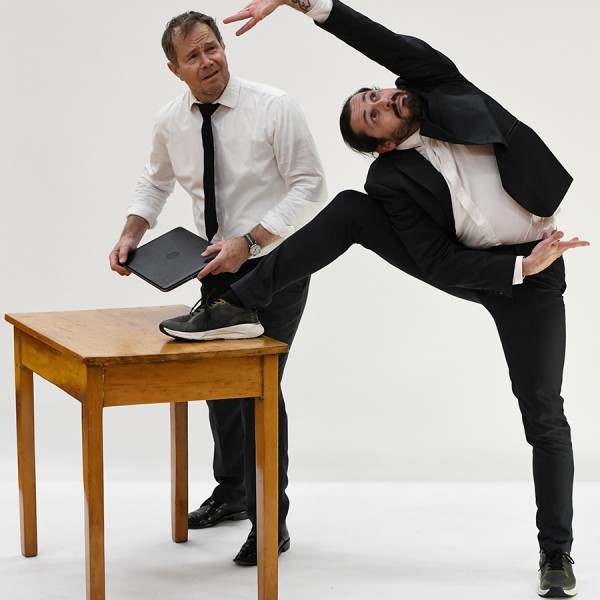
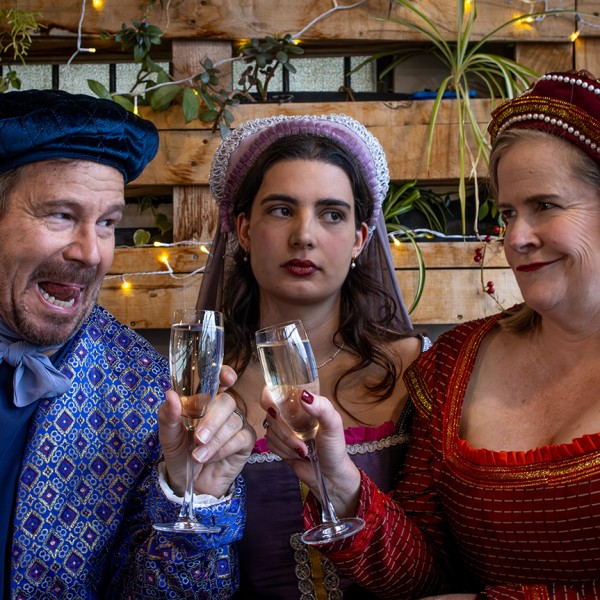
If you ask me, hardly anything beats a good improv show, especially when it is also a whodunnit. Now imagine that, as a viewer, you get to not only watch the story but also influence its course. This is what happens at Wellington’s premier improv murder mystery show, Farce Onion, in which the audience is invited to shape the plot, choosing the location, the murder weapon, and even the victim. This Wednesday's performance features a cast of six improv geniuses – Dylan Hutton, Mo Munn, Austin Harrison, Nina Hogg, Tara McEntee, and Millie Osborne – ready to win the crowd.

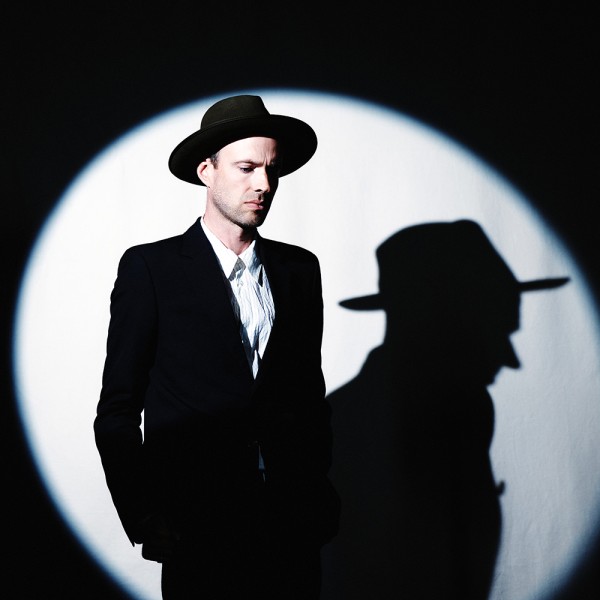
The night starts as ominously as every good mystery should: the stage is dark and a single spotlight reveals a mysterious silhouette sitting in the center of the room, his face hidden by a newspaper that bears the headline Murder. This figure turns out to be the story’s detective (Hutton), who takes notes and desperately tries to solve a crime as it unfolds in real time. Throughout the night, a comically absurd story takes shape, featuring various characters who are as entertaining as they are suspicious. From a French artist dreaming about being an accountant (Harrison) to a dog-killing museum curator (Munn) and a grandmother-stepmother passionate about vaginal self-portraits and unfired ceramics (Hogg), the more bizarre the characters get, the funnier.

The cast is supported by two live musicians (Beans Wright and Isaac Thomas) who brilliantly adapt to the changing plot and underline each scene’s atmosphere. To change the course of the story, we are encouraged to participate by clapping or speaking. To my taste, there could be even greater audience involvement. However, the show is hilariously funny as it is, proven by the fact that the entire theatre is laughing out loud the whole way through.

Farce Onion truly is improv at its finest. I want to come back again and again. Keep an eye out for PopRox to experience their next performance yourself or take part in one of their improv workshops.

Ride the Cyclone | Regional News

Ride the Cyclone

Written by: Jacob Richmond and Brooke Maxwell

Directed by: Ben Tucker-Emerson

Running at Circa Theatre till 9th May 2026

Reviewed by: Madelaine Empson

‘Twas the night of a cyclone, when all through the house, not a creature was stirring, not even a mouse. A rat, on the other hand…   

It’s already a coincidence that WITCH Music Theatre opened the Aotearoa premiere of Ride the Cyclone on the eve of Cyclone Vaianu. Consider the fact that the musical is narrated by a mechanical fortune-telling automaton called The Amazing Karnak (an astonishing puppet by Kira Rose Kemp, expressively voiced and operated by Jthan Morgan with mellifluous mechanical effects from sound designer Oliver Devlin), and it’s truly spooky. Keep hold of the fortune handed to you on arrival, because once you compare yours with others after the show, you’ll discover yet another coincidence. This one by clever design.

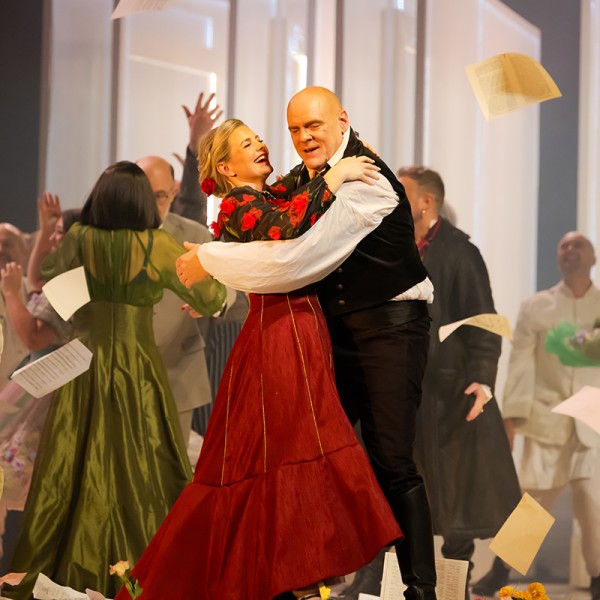
Clever design permeates this eerie production, where six students of the St. Cassian Chamber Choir – Ocean (Lane Corby), Mischa (Jackson Burling), Noel (Logan Tahiwi), Jane (Maya Handa Naff), Constance (Jade Merematira), and Ricky (Henry Ashby) – board a doomed roller coaster and wake up in Limbo. Facing the fluttering veil to the other side, they must each sing a song that proves why they should get a second chance at life.

It’s easy to see why Ride the Cyclone has gone viral. What a unique premise for a musical. And because each character is so different, we’re treated to a roller coaster (sorry) of genres and artforms – opera, cabaret, pop, you name it. It’s difficult to pinpoint my favourite track in a show where every second is a highlight, but Burling’s autotuned rap This Song is Awesome and Ashby’s (incredibly surprising) Space Age Bachelor Man might take the Sugar Cloud cake (props to Merematira for that bouncy number). Handa Naff’s soprano trills come from Heaven in The Ballad of Jane Doe, Corby’s What the World Needs has me dancing (and giggling) in my seat, and Tahiwi’s Noel’s Lament (raunchily lit by Alex ‘Fish’ Fisher) elicits whoops, hollers, and stamps across the audience that I noisily join with glee.

I’m endlessly spellbound by the talent spilling out of WITCH Music Theatre’s cauldron. From a cast I could catch on Broadway to Emily McDermott’s polished choreography (made more dizzying by Dorothe Olsen’s colourful costumes on Scott Maxim’s spectacular set); to the world-class direction from Ben Tucker-Emerson, head of production Joshua Tucker-Emerson, and Hayden Taylor, musical director, pianist, and conductor; to every single magical detail adorning the stage, Ride the Cyclone is gobsmacking.

The Boy With Wings | Regional News

The Boy With Wings

Presented by: Birdlife Productions and KidzStuff Theatre for Children

Written by: Bridget, Roger, and Comfrey Sanders

Tararua Tramping Club, 10th Apr 2026

Reviewed by: Dani Yourukova

Cushions sprawl cosily on the floor in front of the stage, where we are welcomed by Roger Sanders (writer, composer, musician, puppeteer, and performer) in a jaunty black beret. He tells me these are the best seats in the house. I park myself a few rows back, but plenty of the audience take up Sanders’ offer. A young family sits cross-legged on the rugs up front, eating apple slices from a plastic Tupperware. Another clutch of kids have brought puppets from home. Already the space feels intimate, a little like being in your favourite grandparents’ living room. The only elements on stage are a table, a projector screen, and a series of cardboard boxes. 

Originally directed by Daniel Allan, The Boy With Wings begins when Professor Beatrice ‘Birdie’ Bartholomew (Bridget Sanders, writer, performer, and creative director) emerges to make an enthused presentation about the migratory journey of the kuaka/bar-tailed godwit. Birdie is charming and goofy, an absentminded professor who soon has all the kids giggling. That is, until Sanders opens the box, and the whole room falls quiet. 

Each box unfolds into a miniature set, built to scale for Jack, the star of the puppet show. In the Sanders’ hands, Jack travels across far mountains, shimmering velvet seas, and vast cardboard cities to try and save his failing orchard. Shifting back and forth between Jack’s journey and the kuaka’s migration poetically interweaves the two tales. But the magic lies somewhere in the exquisite hand-painted detail of the sets, the way the hidden world emerges as if from nothing, the way the texture of fabric, light, music, and performance bring the sets and figures to life. I hear more than one “wow” from the audience when the kuaka first takes flight. 

Simply, the Sanders team at Birdlife Productions are brilliant storytellers. Their ability to hold the audience’s attention while they shift between scenes, disciplines, tones, storylines, and characters is astonishing. An absolute must-see next time they’re in Wellington!

ULTRA New Zealand | Regional News

ULTRA New Zealand

Wellington Waterfront, 10th Apr 2026

Reviewed by: Madelaine Empson

On Friday the 10th of April, one of the world’s most iconic electronic dance musical festivals saw more than 30 artists perform across four stages along the Wellington Waterfront. From 3pm till midnight, the good vibes could be heard reverbing across a city lit up by rainbow LEDs, pyrotechnic and firework displays, and thousands of kaleidoscopically dressed festivalgoers. 23,000, to be exact!

The sun turned it up for us, with free sunnies available for a time and a spectacular sunset behind the Resistance Stage that cast a pink glow over German DJ MARTEN HØRGER’s feel-good house set. At 6pm we shifted to the Oasis Stage – right by the sparkling ocean with plenty of room to breathe and dance – to vibe to Aotearoa jungle and bass legend Paige Julia’s techno excellence.

The lighting at the ULTRA Main Stage for Oliver Heldens was fire (literally). Bathed in burnt tangerine orange and sunshine yellow, the Dutch DJ and producer dropped banger after banger. German DJ Zedd, French-Algerian EDM and dubstep force DJ Snake, and chart-topping American duo The Chainsmokers followed Oliver in turn, headlining a colossal ULTRA Main Stage lineup.

Los Angelite Ray Volpe – aka the Volpetron – was one of my highlights on the UMF Radio Stage at 8:20pm. Two Australian headliners tore up the same stage next. I’m stoked to have joined the thousands screaming “Tarantula!” back at drum and bass band Pendulum, and to have witnessed Alison Wonderland hecking up the crowd on a spiritual level after that.   

We saw out the night with anthemic producers Flowidus at Oasis. We had no idea it was the best spot in the house for a surprise fireworks display that matched our elation.

The buzz before, during, and after ULTRA was undeniable. I spoke with four friends afterwards to find out why we’re all still raving about it.  

Jesse “loved the fact that the first ULTRA New Zealand edition was held on the Wellington Waterfront”.

“It was the perfect venue to spread four stages across while maintaining exceptional sound quality at every stage,” he said. “It was great to be able to move away from stages to get food and drinks and the Audiology crew did a great job of making sure there were ample facilities for everyone along the way.”

This was the most recurring theme of our chats: how well organised and managed ULTRA was. The intuitive layout allowed people to move around with ease rather than elbow-barge their way to the loos or bars – a huge achievement for a sold-out festival of 23,000 revellers.

Ed agreed the environment was awesome thanks to the “good crowds – a lot of people were very respectful, and you could move to and from each stage with no drama”.

Andie furthered that “the crowd control between the stages was excellent”.

“And not a lot of issues with people shoving,” Ed nodded.

When it came to the stellar lineup, Andie was awestruck by the sheer scale of ULTRA and “really happy to actually get dubstep and other types of EDM in Wellington. We usually only get drum and bass, and while I love drum and bass, I love dubstep. My favourite set was definitely Nghtmre. Such a good time.”

Keri raved about Oliver Heldens and his throwback hits.

“I was having a spiritual moment. You know it!”

Ed’s highlight was “for sure Alison Wonderland – she was amazing”. 

Jesse’s were Mollie Collins, Oliver Heldens, Pendulum, Alison Wonderland, Flowidus, and “our very own Paige Julia”.

“The light shows were epic and the fireworks at the end were a beautiful way to sum up a magical day,” Jesse continued. “Can’t wait to come back again next year, it can only get bigger and better from here!”

Count me in!

Help! A Monster Ate My Story | Regional News

Help! A Monster Ate My Story

Written by: Ruth Paul

Directed by: Jacqueline Coats

Circa Theatre, 9th Apr 2026

Reviewed by: Dani Yourukova

Before I walked into the theatre, I was curious as to how, exactly, a monster was going to eat an abstract concept, on stage, in front of a packed audience of children and parents in Circa Two. I was also immensely excited to see the imagination of beloved children’s author and illustrator Ruth Paul brought to life, of which the show does a rollicking job. Between the charismatic cast (Tadhg Mackay, Te KuraHuia Henare-Stewart, and Paul herself), energetic musical numbers (composed by music director and sound designer Charlotte Yates, with lyrics by Paul and Yates), age-appropriate engagement with anxieties about the tech industry, fart jokes, and a moving performance by a mouse Velcroed to a remote-control car, Help! A Monster Ate My Story is wild, whimsical, and completely worth a watch.

The story kicks off with Paul asking the audience for help: she has an important reading to do at the new library soon, but she hasn’t finished writing her new book! In fact, she hasn’t even started. The metafictional madness escalates when Paul decides to use AI to meet her deadline. She finds, to her horror, that she has created a real life ‘Mash-up Monster’ (Mackay), an AI beast that wants to consume her previous books and turn them into stinky farts. Luckily, she has the help of her old characters: Lion (also Mackay), T-Rex (Henare-Stewart), and Jellyfish (Paul), who are equally unhappy about the prospect of their books being eaten. Together, they come up with a plan to defeat this new menace, while Paul rediscovers her artistic process along the way.

The show does a lovely job of making the issues of generative AI accessible and entertaining for tamariki. All the while, it hits an earnest note for the adults in the audience who might share some of Paul’s anxieties. The production design (Fifi Colston with Paul) is a particular standout, with costumes that are immediately iconic and evoke all the expressiveness that Paul’s characters have on the page. A heartfelt, feel-good romp.

Resonance | Regional News

Resonance

Presented by: New Zealand Symphony Orchestra

Michael Fowler Centre, 9th April 2026

Reviewed by: Ruth Corkill

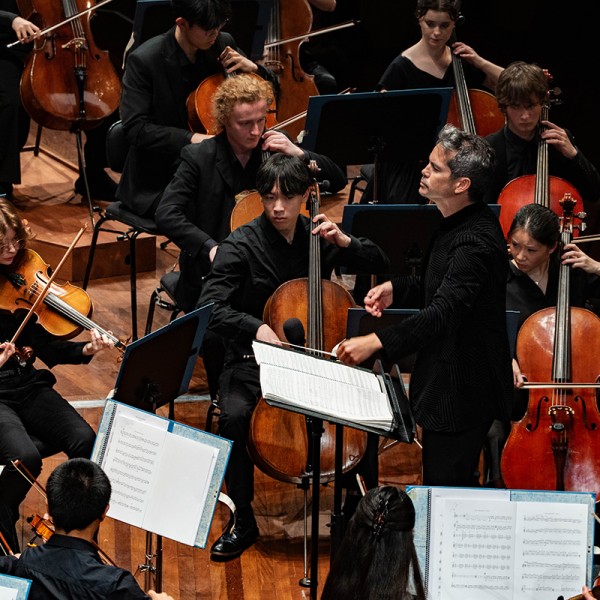
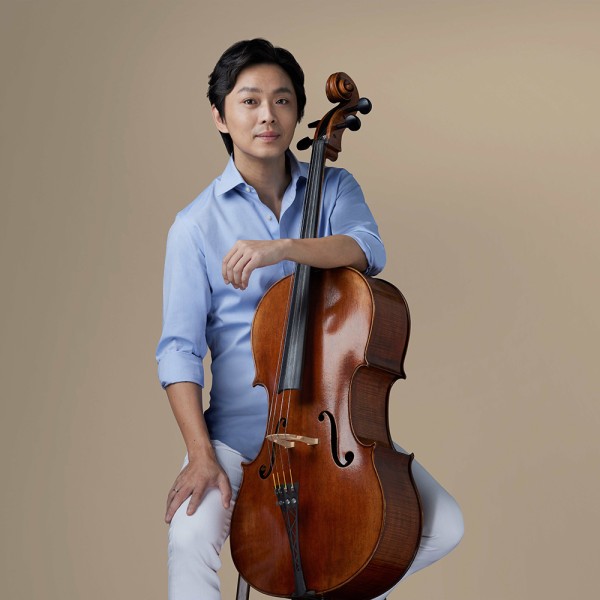
Under the direction of André de Ridder, the New Zealand Symphony Orchestra delivers a remarkably focused and cohesive performance that highlights the depth of talent within its own ranks.

At the centre of the programme is Bryce Dessner’s Trombone Concerto, performed under unusual circumstances. The orchestra learned only two weeks prior to the concert that the originally scheduled international soloist Jörgen van Rijen, who was planning to premiere a work written for him, was injured and unable to play. In response, the programme pivoted rapidly to Dessner’s concerto, with NZSO section principal trombone David Bremner stepping forward as soloist.

Bremner plays superbly, drawing an impressive range of colours from his instrument: percussive and incisive one moment, molten and lyrical the next, crystal-clear lines interspersed with gravelly and jazzy voiced phrases. Especially striking are passages in which the solo line fragments and reappears across the brass section. Here, Bremner’s close working relationship with his colleagues is evident. The ability of the other musicians to match his tone and colour so precisely creates uncanny effects, as though the soloist were accompanying himself. The sound seems to braid and divide without losing coherence. It is both technically impressive and musically absorbing.

Dessner’s concerto is an intelligent pairing with the Shostakovich that follows. It is an unabashedly contemporary and direct work, but like the Shostakovich it utilises dissonance and rhythmic tension in service of beauty and emotional insights.

The long opening movement of Shostakovich’s Eighth Symphony unfolds with a grim and unsettling inevitability, its jagged motifs and mounting climaxes tightly controlled. De Ridder resists any temptation to over-dramatise, trusting the music’s cumulative power. Particularly impressive is the relentless drive of the ostinato in the third movement, which maintains its force with unbearably intense mechanical insistence.

The slow fourth movement is laden with grief, almost soothed, almost hopeful by turns. The NZSO captures this ambiguity beautifully, closing with a wistful and heartrending release.

Catch Me If You Can: The Musical | Regional News

Catch Me If You Can: The Musical

Written by: Terence McNally, Marc Shaiman, and Scott Wittman

Directed by: Alistair Davies

Gryphon Theatre, 8th Apr 2026

Reviewed by: Tanya Piejus

From the moment you step into the Gryphon Theatre, you’ll be transported to the departure lounge of a 1960s airport with pink-clad crew, an in-flight refreshment list, and boarding cards to get you through the gate for this jazzy musical version of the 2002 Steven Spielberg movie Catch Me If You Can. Once you’ve taken your seats, this attention to detail flows through to period-perfect costumes (Anne De Geus and Caitlin Fitt-Simpson), creative and engaging choreography (Stacey Neale), and a flexible, clever set designed by Nathan Arnott and director Alistair Davies – that band reveal! We have liftoff with first-class performances from every member of the flight crew.

As the loveable rogue Frank Abagnale Jr, Jackson Stone is perfectly cast in a show he obviously has a passion for. Charming and eloquent, he has the singing and dancing chops to match. Sharing the load of carrying the story is hard-working Alex Rabina as FBI agent Carl Hanratty, ever one step behind his slippery quarry. His solo, the bluesy The Man Inside the Clues, is one of the show’s many highlights.

The rest of the 15-strong cast provide stellar support. Carl Johnstone, who we don’t see nearly enough of on stage these days, is a delight as Frank Abagnale Sr, his reported death a moment of well-earned pathos. Lily Tyler Moore wowed as the opening-night Brenda and was also part of a spectacular female ensemble who provided much of the production’s groovy dance moves. Everyone on stage works as a polished and seamless ensemble under the excellent direction of Davies and his assistant, Stacey O’Brien. Davies’ vision is even more remarkable for his being a first-time director.

The visible 12-piece band directed by Emma Salzano smoothly deliver the musical accompaniment in sparkly pink jackets, Tom Smith’s lighting beautifully illuminates the mood of each song, and Alexander Quinn’s pin-point design rounds out the soundscape perfectly.

Congratulations to everyone involved in this Kauri Theatre production that I heard a fellow audience member describe as “a cut above”.

The Silver Book | Regional News

The Silver Book

Written by: Olivia Laing

Hamish Hamilton

Reviewed by: Denver Grenell

Olivia Laing’s second novel, The Silver Book, transports readers to Italy in the 1970s to tell a queer love story between an aspiring artist and one of Italian cinema’s celebrated craftsmen.

Nicholas, a young British man, finds himself in Italy after a hurried exit from his life in London. In Venice, he meets Danilo Donati, the renowned costume maker and production designer for some of Italy’s most revered filmmakers, such as Federico Fellini and Pier Paolo Pasolini. Falling for each other, Danilo hires Nicholas to work in the art department of Fellini’s troubled production of Casanova. When that project stalls, they go to work on Pasolini’s infamous Salò, or the 120 Days of Sodom before returning to Rome when Casanova recommences.

Nicholas is our gateway into this fascinating and seductive world, one driven by creative passion and hedonism. A mercurial character, he insinuates himself into the filmmaking community and rubs shoulders with big names like Fellini and actor Donald Sutherland, while navigating his new relationship with Danilo.

Italy in the 60s and 70s was characterised by political turmoil and domestic terrorism seeking to disrupt the status quo, a central tenet of Pasolini’s film. Indeed, Pasolini is a key character in the book, and his violent death just three weeks before the release of Salò hits like a shocking plot twist even with foreknowledge of his demise.

But it is the intensity of Danilo and Nicholas’ relationship, fuelled by art and cinema, that carries the book in the absence of a traditional plot. Laing writes poetically, with an economy of prose in a similar vein to Cormac McCarthy, conveying more with fewer words than some contemporary authors might employ.

Blending historical fact with fiction, The Silver Book is a sensory, almost fable-like work, laced with the intruding darkness of the time. Those seeking a regular plot will not find one, but may enjoy this strange, beguiling trip to Italy, and cinephiles will devour this deep dive into the artists and artistry of the era.

Bic Runga with the New Zealand Symphony Orchestra | Regional News

Bic Runga with the New Zealand Symphony Orchestra

Presented by: New Zealand Symphony Orchestra

Michael Fowler Centre, 2nd Apr 2026

Reviewed by: Ruth Corkill

Bic Runga’s collaboration with the New Zealand Symphony Orchestra favours intimacy over spectacle, and manages to gently resize the grandeur of Michael Fowler Centre into something as familiar and communal as a local hall.

The programme begins with two instrumental works by Runga’s partner and long-time musical collaborator Kody Nielson. The band, including Nielson, join the orchestra on stage one by one during the opening music, a staging choice that reinforces the low-key, almost informal atmosphere. Nielson’s music is light-footed and textural, establishing a relaxed mood and soft focus.

Runga attempts a similarly understated entrance, but when she appears, wrapped in an off-white woollen dress, the audience greets her with delighted applause and cheers. Initially, singing pieces from her new album Red Sunset, she seems nervous, but as the concert progresses, she visibly relaxes. Her voice frees up, growing warmer and more open, until it feels as though no time has passed at all since her last collection of all-new material 15 years ago.

Placing Red Sunset alongside songs so deeply woven into our shared histories is no small task, but the newer works hold their own. Anchored by Runga’s signature melodic clarity, there is something almost affectionally sardonic in them that feels new and interesting.

The orchestral arrangements are restrained, but this is very much a virtue. The NZSO enhances the dynamic and beautifully structured qualities of Runga’s songwriting, enriching the colours and adding fuller sonority without overwhelming them. Her catalogue feels both familiar and remarkably fresh, especially since Runga’s voice is as clear and agile as ever.

Runga herself remains disarmingly unassuming throughout. At one point she offers, almost apologetically, “if it’s alright I’d like to play something else from the new album”. There is genuine affection between her, her fellow musicians, and her audience, and it makes this evening and this place feel special.

Perverse Verse | Regional News

Perverse Verse

Written by: Michael Gould

Umbrella Books

Reviewed by: Margaret Austin

Michael Gould refers to his poetic style in one of the first poems of Perverse Verse thus: “I chose to write light verse and rhyme / which the literati consider a crime, but / I don’t mind.” OK – so his style is old fashioned and possibly too simplistic, but so what? You don’t have to work at it to get your head around it. And rhyme provides momentum – something else I find sadly lacking in clumps of prose-style work. “The story of my life is rather boring / unless you consider the youthful whoring”, for example, constitutes an intriguing invitation to the rest of the poem.

As for content and themes, these poems offer an unabashed alternative to the esoteric nature of much of today’s poetry, which I often view as boringly self-indulgent. “If there’s no place you fit in / you still have a purpose, even if like the porpoise / it’s simply to swim” is a delightful put down of the much-vaunted life purpose we’re all supposed to have. And wry commentary on love abounds as in the twin poems The Fog of Love and The Frog of Love.

Many readers will smile in recognition at Fame, which is expressed in a standout prose style. Its departure from Gould’s usual rhyming signals a more thoughtful observation about a universal condition: desiring to be noticed. Our typical Mr Nice Guy imagines his face “smiling down from giant screens / that would make his day”.

The final few poems are strikingly more serious – lamenting climate change, deploring the space race – “We’ll end up tourists in space / witnessing the extinction / of the human race” and disappearing birdlife. Gould even turns philosophical in his attitude to ageing.

All of which goes to show that serious content can stand expression in what seems a light-hearted manner. The back cover blurb says this collection will appeal to baby boomers. I confess to being one. But it will also appeal to readers who enjoy frank statement, wry humour, and a survivor’s attitude.

The North | Regional News

The North

(M)

132 minutes

(3 ½ out of 5)

Reviewed by: Isabella Smith

Those that have been hiking will be stunned to see the accuracy of their own experiences reflected in Bart Schrijver’s sophomore hiking film, The North. Those who haven’t may come away with a much more intimate understanding of why they should (or shouldn’t) put on a pack and experience all its joys and discomforts.

The movie captures perfectly the quiet of a summited hill and the way the sound of a rushing river suddenly disrupts that quiet, the blistered feet and wet boots, the mental and physical resilience required to set up and pack down a tent in the rain, eat dinner in a swarm of midgies, and listen to a creaking mattress as your partner twists and turns all night. 

The film follows Chris (Bart Harder) and Lluis (Carles Pulido) as they rekindle their friendship by traversing 600 kilometres of the Scottish Highlands, where they confront one another and ultimately, themselves.

From the interruptions of business calls, we know that Chris is a young professional with the rest of his life laid out for him: job, marriage, house, kids. His walking partner Lluis is the stereotypical loner artist – serious, distant, uncertain of his future – who seems to walk the entire length reluctantly.

While the sparse dialogue added emotional depth to the landscapes, it did the opposite in conveying the evolution of the two friends. For an entire month, they remained stiff and closed off from one another, and the endless walking didn’t seem to lubricate any confessions or confidences. When they both separately have their own road to Damascus moment of transformation standing alone on a desolate beach, one has to fill in the gaps to understand the emotional weight of their experience.

The lovely pacing of the film and raw depiction of hiking makes it a beautiful contemplation of the great outdoors. For me, the landscape is the hero of this film, which remains indifferent to the human dramas and inner turmoil of the two friends. Watching the wideframe shots of them trudging up a craggy, isolated slope while mist recedes and unfurls was pure visual poetry.

Triple Threat Comedy Night | Regional News

Triple Threat Comedy Night

Presented by: Mon Platon Productions

BATS Theatre, 28th Mar 2026

Reviewed by: Numi Stössner

Triple Threat Comedy Night is one of Wellington’s premier stand-up comedy shows, happening roughly once a month. In each show, three of Wellington’s best comedians are given 15 minutes to perform their sets and convince the crowd.

Taking place at the same time as Wellington’s CubaDupa, it is unsurprising to find that this particular show is sparsely attended. However, what could be a disadvantage for the performers and audience alike turns out to be anything but. Just in the spirit of the spontaneity of live comedy, the show is swiftly moved to the foyer of the theatre, a homey and welcoming space somewhat reminiscent of a living room. Instead of performing on stage with a microphone, the acts are now casually positioned among the couches and lounge chairs that house their viewers, a personal experience that is refreshingly new to me.

Comedian Austin Harrison is the host of this cosy and interactive evening, setting the vibe with his cheerful and engaging energy. The first act of the night is Sameena Zehra, who does her self-proclaimed scariness justice by sending one of the guests running. The next act is charismatic Lily Catastrophe, who addresses hilariously relatable topics such as whether your boyfriend would still love you if you were a worm. Closing the night is Keegan Thomas, who instantly makes me feel at ease with his natural way of engaging with the crowd and his casual and entertaining improv.

All in all, as stand-up comedy tends to be, there is a lot of ‘hit and miss’. However, all three comedians deliver their sets with charm and banter, making this intimate performance feel like having a laugh with good friends.

If you want to catch them in action, keep an eye out on Wellington’s comedy scene. Tonight’s lineup features well-known regulars, many of whom will also appear at the NZ International Comedy Festival. So, head along and see for yourself!

From the New World | Regional News

From the New World

Presented by: New Zealand Symphony Orchestra

Conducted by: Rodolfo Barráez

Michael Fowler Centre, 26th Mar 2026

Reviewed by: Ruth Corkill

This season-opening concert brings together a programme built around big musical gestures and well-loved favourites. It largely succeeds in its aim: to warm the audience, reintroduce familiar musical touchstones, and set the tone for what’s to come.

The evening opens with Eve de Castro‑Robinson’s Aurora, a brief but arresting work that lives up to its reputation for momentum and bite. There is something Bauhaus-like about its aesthetic: angular, electrified, and deliberately anarchic. It has the sensibility of a tūī, that highly skilled and eclectic songbird. Bursts of birdsong collide with metallic textures and sudden shifts of energy. It is instantly engaging, though its restless intensity proves to be a challenging lead-in to what follows.

Beethoven’s Violin Concerto strains unmistakably towards Romantic expression, and its radical emotional expansiveness can feel slightly pedestrian when placed immediately after de Castro‑Robinson’s brash modernism. That said, soloist María Dueñas is more than equal to the task. Dueñas plays with astonishing technical control, but it is her phrasing that leaves the deepest impression. Long lines swell naturally, inner voices are drawn out with care. The result is a performance that reclaims the concerto’s lyric dignity, earning an audible upswelling of delighted appreciation from the audience at its close.

After the interval, Dvořák’s Symphony No. 9, From the New World reminds us why it remains so deeply loved. This is music that seems to enact its own curiosity, forever exploring and reinventing itself. You can feel in it the germ of countless cinematic and musical theatre traditions yet to come. Conducted with warmth and clarity by Rodolfo Barráez in his Aotearoa debut, the symphony unfolds generously, balancing nostalgia with forward momentum.

As the nights get longer, this NZSO season opener does exactly what it needs to do: rolling out fan favourites, showcasing brilliance, and inviting audiences back into the shared ritual of listening. It is a confident, generous start.

The Bride! | Regional News

The Bride!

(R16)

126 minutes

(3 out of 5)

Reviewed by: Isabella Smith

As of 2026, there are over 450 versions of Frankenstein’s monsters on screen – making it a brave thing to try do differently. Maggie Gyllenhaal’s The Bride! is a fierce, weird, and ambitious take that brings a different story to life (literally): that of the monster’s bride. Replete with a stellar cast, it makes for a glitzy, action-packed, at times almost pantomime, yet overall enjoyable watch.

Frankenstein’s monster (Christian Bale), back with his familiar stitched-up forehead and oversized suit, visits the mad scientist Dr Euphronius (Anette Bening) to seek a remedy to his eternal loneliness: a woman.

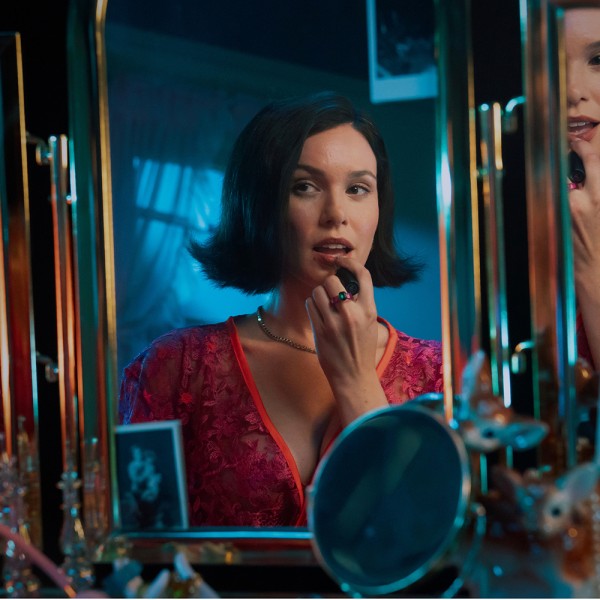
Enter the bride (Jessie Buckley). A rowdy gal reinvigorated from the dead, whose unshakable past enmeshed in the shady, criminal underworld of 1930’s Chicago follows her back into the land of the living. What unfolds is a Bonnie and Clyde type sprint as monster and bride outrun the Chicago police department (Peter Sarsgaard and Penélope Cruz).

A rage-filled feminist critique of violence against women with echoes of the #MeToo movement, the film is jam-packed with conspiracy and corruption, ensconced in the glitz and glamour of show biz, with a literary metanarrative reminiscent of Jekyll and Hyde to boot. Author Mary Shelley, infuriated by the patriarchy and desperate to see a female antihero disrupt the status quo, defies death to take possession of the bride, resulting in violent attacks on seedy men. Torrents of uncontrollable literary musings (to both amusing and annoying effect) spew from her ink-stained mouth.

If you haven’t already gathered, The Bride! is a hodgepodge assembly of plotlines. Violence against women, rage, loneliness, social upheaval, police corruption, possession, murder… it somehow also manages to ask (and not answer) Shakespeare’s question, ‘what is in a name?’

In the end, the inclusion of Mary Shelley in the film felt more like a director trying to justify her decision to make a spinoff, and the picking up and putting down of themes and ideas at times felt shallow (the thread of the monster overcoming loneliness and the brides lack of choice in being reinvigorated from the dead would’ve been enough to chew on).

Without Buckley’s incredible performance, I am not certain the film would hold. She is a rebellious and outrageous character with her frizzy white hair and jerky gait. While the plotlines are excessive, the movie moves quickly and the costumes are fabulous. Couple that with Bale’s humanity as Frankenstein’s monster and Buckley’s impressive physical performance and you have excellent cinema that is well worth the watch.

Gasping | Regional News

Gasping

Written by: Ben Elton

Directed by: Oliver Mander

Reviewed by: Zac Fitzgibbon

Gasping is set in the corporate world we all know and despise, where Lockheart Holdings is devising yet another scheme to make ordinary citizens pay for something they shouldn’t have to: air. Of course, by privatising this necessity of life, some serious problems will arise that one might need to take a breather to solve.

You’ll be gasping with laughter, yet it has to be said that many of the jokes in this Ben Elton play, which first opened in 1990, have not aged well and read as misogynistic, homophobic, and racist. Some of these jokes do make me feel slightly uncomfortable. Despite some of the script’s problematic undertones, the actors perform Gasping with the kind of vigour you can only get from a full tank of oxygen.

Mike McJorrow is a master of physical comedy and likewise provides great emotional intensity in the role of Philip. Playing Sandy, a junior at Lockheart Holdings, Joseph Corbett provides many of the show's gags. Lydia Verschaffelt makes many of us laugh as the strong-willed and flirtatious Kirsten. Of course, these subordinates must have a superior to adhere to: Sir Chiffley Lockheart. Tony Burton plays the character as uptight as any person I know that works in such an industry. Another highlight is Billie Cleeve, who provides great bursts of humour dispersed by the lungful as Miss Hodges and others. Each of her characters is compelling in their own right.

I am mesmerised by Tanya Piejus’ set design. With moving pieces and a colour palette reflecting the 1990s, this set will make you want more. The lighting design (Jamie Byas) is dynamic and engaging, while the sound design (Brian Byas) responds well to each setting, especially during the squash scene, convincingly choreographed by Matilda Reeves.

Whilst the show is a comedy, it does provide thought-provoking commentary on the way that corporations conduct themselves and the damage that they cause, giving us a stern warning about what the world could look like if we continue to invest in their schemes. There is a strong market for this show, and I would recommend heading to Wellington Repertory Theatre’s production of Gasping before the world is completely bankrupt of breathable air.

The Reluctant Homeopath | Regional News

The Reluctant Homeopath

Written by: Vanessa Young

The Cuba Press

Reviewed by: Jo Lucre

How does someone with an honours degree in biochemistry wind up down the less-travelled path of homeopathy? Hesitantly? Or completely mind-blown? Or both?

In The Reluctant Homeopath: An unexpected science story, author Vanessa Young shares her journey to working as an alternative health practitioner in what she describes as “a field considered to be particularly unscientific”. 

What’s interesting in her personal reflections is how a wholly different road reveals itself, catapulting her from everything she has ever known in the realms of what is fact-based and verifiable, to a new view of the world that she says “doesn’t obey the laws of science and that therefore, to my mind, could not be real”.

Throughout her journey, Young is the first to admit to her own previous disregard for homeopathy. She also sees the conundrum posed by being a sceptic, and faces scepticism in turn for her foray into the field. She talks about the internal conflict that exists for her between the two paradigms.

In The Reluctant Homeopath, Young shares case studies showing how she looks at her clients holistically: the exploration of their experiences, emotions, mental wellness, and physical symptoms. By choosing individualised remedies that take these into account, Young says they see gradual improvements over time.

Throughout her reflections and case studies, we learn that Young’s exploration of homeopathy has brought knowledge and understanding. Homeopathy didn’t take something she loved (science) away, but instead aligned itself alongside it. 

To paraphrase Young, leaning into homeopathy meant wading into the “weird” to see where it took her; navigating between what she knew and something “odd”.  It meant offering friends a new lens and bringing something unfamiliar to the table. 

The Reluctant Homeopath: An unexpected science story got me thinking about all the things in life so easily dismissed that perhaps need a second view and an open mind. I thought about when a headfirst dive into the “weird” and “odd” can become an opportunity to discover new possibilities. 

Ten Thousand Hours | Regional News

Ten Thousand Hours

Presented by: Gravity & Other Myths

Directed by: Lachlan Binns

The Opera House, 13th Mar 2026

Reviewed by: Tanya Piejus

Malcolm Gladwell famously wrote: “It takes ten thousand hours to truly master anything.” Australian circus troupe Gravity & Other Myths have clearly taken these words to heart as their pinpoint acrobatics, tumbling, and balancing acts need to be seen to be believed this Aotearoa New Zealand Festival of the Arts.

What starts out looking like a casual rehearsal session with nine athletic people in black and grey gym gear stretching and swigging from their drink bottles soon turns into an expertly choreographed and mind-blowing exhibition of human capability. With a giant LED display providing visual accompaniment and a musician adding drums, synthesised beats, and occasional commentary, the crew performs a set of individual, small-group, and whole-team routines that take modern circus to a whole new place.

The audience gets in on the act too, with invitations to give one tumbler ‘in the style of’ suggestions for how to perform her routine – a chicken and a skydiver – which she incorporates with humour and aplomb. Another audience member is taken on stage and asked to draw in stick figures the shapes some of the crew make, then her drawings are hilariously recreated by the other crew members who have had their backs turned to the original. Later, one acrobat tries to balance on another’s shoulders and turn 360 degrees without either using their hands. They have 10 (unsuccessful) goes at it and a wonderful organic moment occurs partway through when a young voice shouts, “Nice try!” from somewhere in the stalls.

There’s more humour here besides. A routine in which the performers become grumpy cats and balance on each other on all fours becomes an audience favourite and reminds me of a puzzle I have called Cat Stax.

Balancing three-high, throwing each other blithely around like ragdolls, and doing things that no human body can do without at least Ten Thousand Hours of practice, Gravity & Other Myths make the implausible look like a walk in the park.

New Days for Old | Regional News

New Days for Old

Written by: James Brown

Te Herenga Waka University Press

Reviewed by: Margaret Austin

I anticipated reading James Brown’s latest collection with something approaching glee. Two of his earlier collections had given me expectations and they happily turned out to be justified.

The poems are all prose, so there are no titles to go by. The opening one echoes the collection’s title with its mention of broomsticks: “These are effective until their ends begin to fray and snap, creating more debris than they clean away.” But no, our poet doesn’t go on to praise vacuum cleaners! A much graver metaphor is at hand.

Later we get a poem that seems to be about a thimble. Such an unassuming object can be symbolic, however, and the poem goes on to explore this and ultimately its impact on a young girl. Brown’s typically short sentences here enhance effect.

Further poems consider second-hand goods, give job interview tips, describe a peculiar characteristic of horses, and tell us about the Palmerston North version of the game Monopoly. I knew Palmy would get a mention: Brown can’t resist a reference to his hometown.

But I was stopped short (if you’ll excuse the pun) when the poet addresses the reader thus: “You were a semicolon in the last printed edition of the Encyclopaedia Britannica which ran to 32 volumes.” Brown goes on to lament the lack of printed editions of such tomes. As a semicolon, you gave the reader a chance to consider two connected but discrete ideas, he points out, something sadly lacking in these new all-too-digital days. The final simile here is devastating: “You have been hurried past and swing like a hook and eye between two seams coming apart.”

I can only guess why babies are so much on Brown’s mind. But they figure in several of the concluding pieces, along with their namesake films. Well over a hundred are referenced: I’m sure our poet would appreciate acknowledgement of Zak, who was obviously at his back.

There’s a rhyme in that last sentence. James Brown may be short of them, but that’s prose for you!

Gloria – A Triple Bill | Regional News

Gloria – A Triple Bill

Presented by: The New Zealand Dance Company and Co3 Contemporary Dance Australia

St James Theatre, 12th Mar 2026

Reviewed by: Tanya Piejus

Gloria – A Triple Bill brings together six dancers each from New Zealand and Australia in a triptych of contemporary dance works for the Aotearoa New Zealand Festival of the Arts.

The first work, Lament, is a world premiere choreographed by The New Zealand Dance Company artistic director Moss Te Ururangi Patterson with a startling original musical score by Shayne P Carter. It reflects on memory, resilience, resistance, and the enduring spirit of Aotearoa through the performers from The New Zealand Dance Company. In loose, comfortable-looking outfits (Chantelle Gerard) and with fluid and dynamic choreography, they are mesmerising to watch as they bring whakapapa into visceral being under elegant golden light (Mark Haslam).

Part two, A Moving Portrait, is an equally engrossing meditation on aging and vulnerability choreographed by Co3 Contemporary Dance Australia founding artistic director Raewyn Hill. Moving to the haunting beauty of Arvo Pärt’s Tabula Rasa Ludus II. Silentium, the Co3 dancers are deliberate, slow, and intimate in their gestures and interactions, flowing over and around one another in diaphanous white costumes (Akira Isogawa) that emphasise the collective nature of the piece. With moments of tenderness and grace, then gentle resistance and even violence, it’s another visually absorbing piece. Haslam again provides beautiful illumination, with the whole work being performed in the confined space of the soft light from an elongated doorway.

The final piece, GLORIA by renowned New Zealand choreographer Douglas Wright, is a joint performance by both companies. It’s accompanied by a contingent from the New Zealand Symphony Orchestra conducted by Dr Joseph Nolan, and a 16-strong Voices New Zealand choir led by chorusmaster Michael Stewart, who masterfully perform Antonio Vivaldi’s Gloria in D Major RV 589. This dance work speaks to the stages of life through a series of short pieces featuring recognisable moments from playful childhood with a human skipping rope, to two young men locked in a wrestling match, sensual procreation, and more until, finally, death. More expansive than the two previous works and with a looser synergy between classical music and modern choreography, this work was less intensely engaging than the first two, but no less successful as a glorious example of contemporary dance.