
Reviews - Regional News | Connecting Wellington

Shows

InBetween Nowhere and Everything  | Regional News

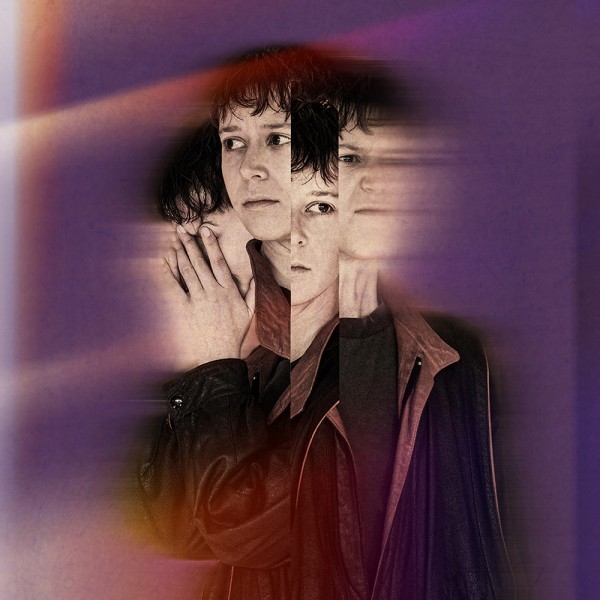
InBetween Nowhere and Everything 

Presented by: In The Mo’ Theatre Co

Written by: Nathaniel Smith

Directed by: Nathaniel Smith

BATS Theatre, 7th Jul 2026

Reviewed by: Numi Stössner

InBetween Nowhere and Everything was advertised as a story about cowboys in space, and as I enter BATS Theatre, I am more than ready to leave this rainy evening behind and escape into the cosmos. My first impression of the set (Jamie Sayers) is that of a makeshift spaceship: a simple table, a bed, and a cowboy poster attached to the wall. A mysterious girl (Míren Welsh Ahipene Duffin) enters in a ghost-like fashion, moving nostalgically through the room before playing a song on an old tape recorder (sound design by Tim Johnston). This is the last moment of peace the audience experiences for quite some time.

The stillness is shattered as three figures burst onto the stage in a dramatic escape: a lover (Alex Quinn), a killer (Zoe Harris), and a nobody (Simon Ulm) seek refuge in the ship as they flee from combat. Coming from different planets, they are now stuck with one another in a small spaceship, seemingly lost in the middle of nowhere. For the next hour, the audience is able to intimately experience the transformation each of them undergoes in the face of impending death.

Sharing the same cramped room, food rations, and even a makeshift litterbox, it comes as no surprise that the unlikely comrades slowly start to reveal their darkest secrets. Time is only measured by their dwindling rations. From guitar songs that evoke cowboys gathered around a bonfire, to a romantic dance of longing and some spontaneous poetry, the play evolves on many different levels, always keeping it interesting. Supported by the ghost woman, who haunts them into reliving their memories, three broken people embark on a last effort to fix themselves before it is too late.

For much of the play, there seems to be a lot of screaming, and some of the dialogue is difficult to follow due to thick accents and loud background sounds. Yet by the end, one thing is eerily clear:  the characters share far more than they ever imagined.

Hay Fever | Regional News

Hay Fever

Written by: Noël Coward

Directed by: Susannah Donovan

Gryphon Theatre, 2nd Jul 2026

Reviewed by: Tanya Piejus

Premiered in 1925, Noël Coward’s classic comedy Hay Fever is an apt choice to help celebrate the centenary of Wellington Repertory Theatre, the city’s oldest community-based troupe. Coward’s wit and talent for exposing human flaws are timeless and this is an entertaining way to warm up a dark winter’s night.

The eccentric Bliss family are “artificial to the point of lunacy”. Matriarch and retired actress Judith (Ruth Corkill) and her novelist husband David (Paul Stone) waft about their country house while their offspring Sorel (Keira Hikuroa) and Simon (Alex Davey) bicker in the way that only rich people with too much time on their hands can. Into this bohemian disorder come Judith’s adoring young fan Sandy (Solomon Archer), Simon’s vampish friend Myra (Nethmi Karunanayake), young diplomat Richard (Jimmy Sutcliffe), and shy flapper Jackie (Pippa McAnergney), each invited by one of the family members without consulting the others. The weekend from Hell ensues.

Corkill is wonderfully melodramatic, using Judith’s age, beauty, and gift for the absurd to torment family and guests alike. Each word is beautifully enunciated and her delivery of the immortal line, “That. Is. Not. An. Adverb.” is sublime. Stone is delightfully ditsy and Karunanayake is a welcome return to the stage. A somewhat underused Sutcliffe also provides excellent support. Ninth cast member Sara Schroder as housekeeper Clara is blessed with a role that allows her to disdain all that is happening around her. Director Susannah Donovan’s choice to use her to fill the gap between the second and third acts when everyone else is frantically changing costume is inspired.

The necessarily minimalist set (Donovan and Vince Jennings) – it’s shared next week with a production for children – somewhat lacks the lushness expected of the mansion setting. Drapes at the long set of bare windows would have easily added a sense of wealth.

You can’t beat Coward for a fun night out, so get along and support Wellington’s longest-standing community theatre as it celebrates its 100th birthday.

Owe | Regional News

Owe

Written by: Jack McGee

Directed by: Campbell Wright

BATS Theatre, 23rd June 2026

Reviewed by: Oliver Mander

We don’t talk about money often enough in New Zealand. For something so critical and pervasive, conversations about money remain largely off-limits in polite company. Rightly or wrongly (usually wrongly), discussions are politicised rather than explored constructively.

It is refreshing to see Owe tackle this head on.

The script unfolds across 12 linked scenes, each carrying one character forward from the scene before. This structure allows the play to explore differing ideas of fairness around money through a series of interwoven, character-driven stories. The flexible set (Derrin Smith) and fluid staging enable swift transitions, maintaining the production’s pace, while the recurring characters create a strong sense of continuity. The result never feels episodic, a credit to Wright’s assured direction.

Despite the seriousness of the subject matter, Owe draws audience engagement through humour, encouraging reflection on what is usually the most awkward of conversations. At its core is the impact of economic insecurity on human relationships. Money becomes the language through which the characters measure love, obligation, fairness, generosity, and belonging. Even up-and-coming surgeon Steven (played by Austin Harrison) experiences his own form of economic insecurity in saving for a house purchase, echoing emotions experienced by Adria (Phoebe Caldeiro) as she is faced with an unexpected cost she cannot afford.

Josie (Abby Lyons) and Andie (Ava O’Brien) are central in examining the tension between the transactional and emotional dimensions of relationships. Their assured performances stood out amongst a very strong ensemble cast, albeit aided by some of the most thought-provoking lines in the script. Andie in particular invites us to reflect on the duality within relationships: the transactions required to create order, separate from the underlying emotional connection that forms a deeper foundation. A relentless focus on the financials can suck the joy out of life, but enough ‘order’ is needed to create an accepted baseline. Owe recognises the truth in both positions.

There is much more to this show than I can cover here. I was left wanting more, not because the production was incomplete, but because it tackles discussions that are too often left unsaid. Squash Co. Arts Collective’s Owe plays at BATS until the 27th of June. A must-see.

Waenga | Regional News

Waenga

Written by: Hariata Moriarty and Tamati Moriarty

Directed by: Jim Moriarty and Regan Taylor

Toi Aro Arts Centre, 20th Jun 2026

Reviewed by: Tanya Piejus

The black-box performance space at the new Toi Aro Arts Centre on Market Lane is an appropriately dark and claustrophobic space for staging Waenga, a large part of which is set in the cramped confines of a police station holding cell. Even before we go in, directors Jim Moriarty and Regan Taylor are barking orders at us to follow their instructions and move when told as the cast move in unison through the space.

Penned by Moriarty’s children, Hariata and Tamati, Waenga is a deeply relevant story of institutional racism against Māori performed by an energetic young cast through the lenses of satire and song. The talented Moriarty siblings also play the central characters of Connie and Grayson, two rangatahi who have very different ways of expressing their whakapapa and culture.

National Music School candidate Connie finds herself at the police station with a serious knock to the head after Pākehā crystal shop owners Gwendoline and Gavin (a hilarious pairing of Mycah Keall and Matiu Rata) object to her singing protest songs outside Uncle Rama’s shop. Idealistic Grayson is brought in as her duty lawyer to help her deal with the trumped-up charges. Meanwhile, her friend and social media influencer Peyton (a delightfully funny Brooke Wharehinga) learns the real meaning of Tangata Tiriti as she seeks to shine light on Connie’s unjust arrest.

The ensemble cast of nine expertly uses movement, dance, waiata, and a background of music beautifully provided by Rameka Tamaki on guitar to weave together this story with intelligence and wit. The belly laughs from the exaggerated Pākehā characters and the moments of wry humour offset the bleakness of Connie’s predicament and make her eventual fate more intensely emotional.

Importantly, the audience is invited for kai and kōrero with the cast and crew after the performance. There is much to ponder and unpick after 75 intense minutes, so the opportunity to do this communally is a welcome one.

The Marriage of Figaro | Regional News

The Marriage of Figaro

Presented by: New Zealand Opera

St James Theatre, 17th Jun 2026

Reviewed by: Ruth Corkill

St James Theatre feels bright and cheerful tonight, already shrugging off Wellington’s crisp winter chill as we prepare for a summer romp in an 18th‑century country estate. Mozart’s The Marriage of Figaro is an opera that never loses its ability to delight, packed with theatrical momentum and comic invention, yet finding moments to blossom into extraordinary beauty.

Conducted by James Judd, New Zealand Opera’s production celebrates the work’s subversive qualities, shifting attention even further away from aristocratic dominance and towards the servants and women who drive the action. Director Lindy Hume has achieved this in simple and highly effective ways. The ensemble of servants open the production, busy with tasks and bustling around the stage for the whole of the overture, and remain visible onstage throughout as they eavesdrop and gossip.

This evokes a household thinking and acting together, an effect supported by the set design (Tracy Grant Lord). Modular transparent panels, echoing palace walling, are reconfigured swiftly to suggest new spaces. They are used particularly well to allow concealed eavesdroppers to remain visible to the audience from all angles. However, the stark white surfaces set against a dark backdrop fail to evoke the sun-drenched summer day in which the action unfolds.

The principal cast work with notable generosity. Their responsiveness to one another gives the performance a sense of spontaneity and flow. Julien Van Mellaerts is wonderfully comic and expressive as the Count, capturing both the character’s arrogance and his underlying fragility with deft precision.

Felicity Tomkins is a standout as the Countess, her voice both powerful and gorgeously controlled. Every line is delivered with poise and emotional clarity, filling the space without ever losing intimacy. She’s also a comic powerhouse, especially in the scenes with Cecilia Zhang’s Cherubino, where she establishes an authentic, quietly charged connection that is both sensual and barely restrained. During the wedding scene she is entrancing as she dances a defiant pasodoble with Mellaerts.

Throughout, there is a palpable sense of shared momentum as the cast bring this intricate social world to life, ensuring the opera continues to feel vivid, generous, and completely entertaining.

The Other Boleyn Girl | Regional News

The Other Boleyn Girl

Adapted by: Mike Poulton

Directed by: Ewen Coleman

Gryphon Theatre, 28th May 2026

Reviewed by: Dani Yourukova

It seems only fitting that Wellington Repertory Theatre’s centenary production (Mike Poulton’s stage adaptation of The Other Boleyn Girl) is royal, indulgent, and completely lavish.

On the night, the atmosphere is heady. There’s something period-accurate about the chaotic press of fellow theatregoers refusing to queue as we are swept towards our seats from the packed foyer of the Gryphon, but it’s once we’re inside the theatre that we’re really transported. Soft lute music plays, the smell of church incense burns, and the three leads (Ava Wiszniewska, Yasmine Alani, and Joseph Corbett as the Boleyn siblings) lounge onstage in silky undershirts and stockings, brushing each other’s hair. This is the first and last time you’ll see them enjoying each other’s company. Conniving, back-biting, sexual taboos, family dysfunction, and intimate personal betrayals rapidly ensue in this audacious historical melodrama set in the royal court of Henry VIII.

The production is extravagantly costumed by Anne De Geus in a wealth of colour and texture, with a little dash of humour. Highlights include the outrageous, hot-pink glitter explosion used to garb Anne Boleyn (in period-accurate silhouette, by the way), and pale, pouty goth Jane Seymour (Livi Dalley), whose skirts are adorned with black lace skulls. 

If you’re not familiar with the story, the script is bonkers (there are gasps and nervous giggles in the crowd as some of the more extreme beats play out), but it’s executed with verve by the cast. Alani is a bold and charismatic Anne, whose performance alternates between pride, vindictiveness, foot-stomping tantrums, and the occasional crackle of vulnerability. Wiszniewska plays the titular ‘other’ Boleyn sister with sensitivity and dignity, providing a grounded centre to the mad drama swirling around her. Meanwhile, the supporting cast populate the world with lovers, enemies, political rivals, and worst of all, family. The machinating Boleyn elders (played by Kevin Hastings, Catherine McMechan, and Mark Wilton) are a particular joy to watch. 

It’s a fun, ambitious, production and a rollicking good way to celebrate the centenary. Congratulations Wellington Repertory Theatre (and here’s to another hundred years)!

Not in Our Neighbourhood | Regional News

Not in Our Neighbourhood

Written by: Jamie McCaskill

Directed by: Maaka Pohatu and Paul McLaughlin

Running at Circa Theatre till 13th Jun 2026

Reviewed by: Madelaine Empson

Jamie McCaskill wrote Not in Our Neighbourhood while working at Te Whāriki Manawāhine o Hauraki, the Hauraki Women’s Refuge. The play features five characters: documentary filmmaker Maisey Peters; Moira Makarere, who runs the Women’s Refuge Safehouse; and three of its current residents, Sasha Miller, Cat Rakiura, and Teresa Cummings. Drawn with permission from the experiences of wāhine living in the safehouse during McCaskill’s 18-month tenure, the three women – one fiery, one stoic, one reserved – could not be more different but have each survived domestic violence. In the play, they have agreed to feature in a documentary about Hauraki Women’s Refuge and are speaking with Maisey about their experience.

Bringing all five women to life with masterfully quick kick-ball-changes and heightened physicality is Hariata Moriarty. Moriarty’s performance style is elevated and theatrical, especially during moments of direct address. The gifted actor starts at 100 and doesn’t let up. Her energy is impressive, her passion palpable, her compassion and conviction clear. The whirlwind is breathtaking but dizzying. Due to the intimacy of Circa Two, and how close even the back row is to the stage, more moments of softness and stillness would serve to contrast against – and therefore amplify – the heavier scenes. I feel that dialling the delivery back in parts would allow the dialogue to breathe, thus giving vital messages more room to unfurl, to echo through the space, to impact. 

Vital it is. Not in Our Neighbourhood is deeply affecting, and everyone’s incredible mahi – from the wāhine and the refuge to the consultants, creatives, cast, and crew members who have brought it to the stage, both now and in the past – should be commended and celebrated. One particularly powerful scene sees Moriarty sensitively deliver Cat’s victim impact statement amidst a gorgeous and striking lighting state change from Emile Commarieu. This highlights one of the work’s central tenets: the way we stigmatise, blame, and shame the victims of family violence needs to change.

Presented by Taki Rua Productions, Not in Our Neighbourhood says it is in our neighbourhood. It is in our community. But there is help, and with that comes hope.

James Mustapic Yourself Up And Get Back On That Saddle Girlfriend | Regional News

James Mustapic Yourself Up And Get Back On That Saddle Girlfriend

Created by: James Mustapic

The Hannah, 22nd May 2026

Reviewed by: Dani Yourukova

I’m hectic by the time I arrive in the foyer of The Hannah for James Mustapic’s newest solo show. I’ve been battling the bus timetable, one of my jobs has just imploded, my date cancelled last minute, and I’ve got a little smear of hoisin sauce on my shirt, which I’ve spilled out of a bao bun over dinner. So, I am primed and ready to experience James Mustapic.

Because, as it turns out, James Mustapic has been having a hard time too. The full story unfolds over the course of the hour in a gloriously labyrinthine, multimedia yarn of new boyfriends, poorly received Seven Sharp segments, driving lessons, chlamydia, deranged flatmates who may or may not be on meth, exorcisms both metaphorical and literal, and a plethora of other failures and vulnerabilities, including his own mum showing up late to the show. “Janet?” he asks the packed theatre, hopefully. No answer.

The show is extremely personable, and desperately relatable throughout. I was invested in every trainwreck flatmate who moved in, and felt gleefully malicious towards every commenter on Mustapic’s Facebook post. I laughed maniacally all through his opener, which was essentially a PowerPoint presentation about being unpopular with old people on the internet. And when Janet finally joined us, 20 minutes in, we all went wild.

James Mustapic Yourself Up And Get Back On That Saddle Girlfriend is a show that’s fundamentally about trying, and failing. Correspondingly, the tone is casual, haphazard, and genuinely intimate. Mustapic leaps between bits, occasionally stopping to show you a captioned text message or a funny video, and it’s all a little like listening to your very funniest friend telling an anecdote. Although Mustapic is, I think, a deceptively organised storyteller. Structurally, the wandering anecdotes always come back around, building surprising connections and landing increasingly esoteric punchlines. “And that’s what air fryers have to do with being gay.” Mustapic says triumphantly at the show’s conclusion. By the time you get there, it all makes perfect sense.

Oliver Pol: Featherbrained | Regional News

Oliver Pol: Featherbrained

Presented by: Oliver Pol

BATS Theatre, 20th May 2026

Reviewed by: Zac Fitzgibbon

The show begins as a rambunctious Oliver Pol runs centre stage, and as soon as this happens, we know that we are in for 60 minutes of pure chaos. Oliver Pol: Featherbrained is a no-holds-barred comedy set destined to make you honk with laughter.

Pol has unwavering confidence and is unabashedly himself, which makes his set feel more personal and, as a result, more engaging. By the end of it, we know the details of his life, perhaps even more intimately than we bargained for (in a good way). He connects us to early 2000s culture in New Zealand, exploring the struggles of obtaining a pen licence in primary school, the 2007 Guinness Book of World Records, and the Fish and Chip Song, which was, apparently, the major craze at every school in the country apart from mine.

Pol is not afraid of the tricky stuff. He finds the humour in hard-hitting topics with tact and sensitivity – a delicate balance to strike. At the same time, he doesn’t hesitate to talk about whatever seems to spring to his mind, giving the show a spontaneous and authentic feel. He will make you question the morality of a seagull eating a pigeon. His flair for comedy will leave an imprint on you like a hickey. I absolutely adore his unhinged comedic stylings.

Using props and a presentation screen adds to the performativity of the routine and further illustrates the passion Pol has for the topics he discusses. If only there was ventriloquism involving a goose… though that would reveal the innermost thoughts of said goose, in turn uncovering a brain possibly even more wonderfully chaotic than Pol’s. And besides, this is a show about him, not about geese (though they do feature a lot).

This show will make you laugh more than an article on drunken geese in the 1881 Lyttelton Times. Oliver Pol: Featherbrained is a wild ride, and you would be a silly goose to miss its run at BATS Theatre this NZ International Comedy Festival.

Driving Me Crazy | Regional News

Driving Me Crazy

Created by: Mo Munn and Q Potts

BATS Theatre, 20th May 2026

Reviewed by: Oliver Mander

Wellington-based comedy couple Mo Munn and Q Potts put their relationship on show in this sketch comedy performance. Most couples would likely cringe at the thought of teaching their partner to drive, and that makes the core premise instantly relatable.

But teaching a partner to drive is merely the vehicle for an exposé of the social constructs that define the roles of men and women in relationships, and the boundaries surrounding control and trust. Every relationship is different, but Munn and Potts’ affectionate prodding of gender relationship stereotypes kept this happily married reviewer cackling for most of the evening.

As a sketch comedy show, Driving Me Crazy relies heavily on seamless transitions between scenes. This worked well, although some in-scene delivery felt slightly stilted at times as Munn and Potts invented their next line. Munn in particular covered these momentary interruptions of flow well, adding to the comic rhythm of the performance.

Each sketch added to the emotional range of the show, moving from domestic argument to parody, physical comedy, and genuine affection. Potts offered some of the best comic timing of the night during a parody of Greased Lightnin’, with a simple repeated line that contrasted with Munn’s exuberant performance. Munn, meanwhile, was especially strong when ordinary anxiety tipped into full catastrophic fantasy.

Props were well hidden amongst the main set piece, allowing the stage to look clean and uncluttered. Occasional slides added context without distracting from the action on stage.

This was a cleverly designed, smart sketch show that kept the audience laughing while offering enough relationship truth to create comedy warmth. Perhaps it would benefit from a touch of editing to keep the audience focused on the core relationship dynamic (rather than the occasional mild bout of regional parochialism), but beneath the competitive grievances and driving-related trauma was a portrait of two people who know exactly how to wind each other up, and why they still choose each other anyway.

Driving Me Crazy: a show full of laughter that many couples will recognise, even if they would rather not admit it.

Hoani Hoani Hoani Must Be Funny in a Rich Man’s World | Regional News

Hoani Hoani Hoani Must Be Funny in a Rich Man’s World

Presented by: Hoani Hotene

The Fringe Bar, 19th May 2026

Reviewed by: Zac Fitzgibbon

Hoani Hoani Hoani Must Be Funny in a Rich Man’s World is Hoani Hotene’s latest set and is filled with jokes that will encroach on you like baked beans on a big breakfast (or the English in general). Just as humans gave lemons life, Hotene gives life to the room, with constant laughter after every joke.

Having previously performed his set in Auckland, Hotene now relates it to a Wellington audience, drawing on our café culture, what it’s like being from Lower Hutt, and the famous moa button at Te Papa. He even infuses a fraught situation – the current state of New Zealand politics – with light and humour.

Crowd work is certainly one of this comedian’s many fortés. Throughout the set, he improvises jokes based on our conversations, which not only engages us more but also makes things feel more genuine. It’s nice to see a comedian tailor their show to their audience, even if there are disagreements about whether people attending a conference together are genuine friends. And just when you think he can’t amp it up any further, Hotene brings out a guitar and plays a song that ties everything together in a perfect bow, making the audience buzz with laughter once more.

Another skill I commend him for is his ability to make his personal life hilarious. Hotene is able to use seemingly normal interactions, such as watching your three-year-old cousin learn about social clout, to make the whole crowd go wild. This is no ordinary feat.

You will laugh like you never have before watching this show. Don’t be like someone who washes old toothbrushes around the house to reuse them. Instead, use the money you would’ve spent on a new toothbrush to buy tickets to Hoani Hoani Hoani Must Be Funny in a Rich Man’s World at The Fringe Bar before it’s gone like the moa.

Stamptown | Regional News

Stamptown

Presented by: The New Zealand Comedy Trust

The Hannah, 19th May 2026

Reviewed by: Numi Stössner

What do ghost hunters, gangster rap, hula hoop, and comedy have in common? If you guessed nothing, you clearly have not been to Stamptown. This popular five-time New York Times comedy pick combines acts from around the world to form one wild and unique experience. I got to see the first night in Wellington as part of the NZ International Comedy Festival, and when I tell you this show has it all, I mean it.

It all kicks off with an impressive rollerblade performance (Dylan Woodley), which quickly develops into a full-blown dance party. It’s an unexpected start and certainly won’t be the last time I’ll be surprised tonight. The show continues with Stamptown’s host and creator Zach Zucker, whose manic performance is underlined by a variety of sound effects that are equally funny and irritating. Be it kangaroo calls, rap music, or gunshots, Zucker hilariously adapts and improvises around whatever noise he is given.

Throughout the night, various artists show up on stage, mostly making it up as they go. There is no plot or plan, only pure chaos. Classical stand-up comedy, fire breathing, and pantomime striptease all come together in what is probably the craziest, weirdest, and most unhinged show I’ve ever seen. You truly cannot anticipate what’s coming next. However, this unpredictability is also Stamptown’s biggest strength, and I can’t help but laugh at the outrageous things unfolding before my eyes. The chaos also makes me understand the extensive trigger warnings at the entrance, as nudity, fire, and flashing lights don’t just appear; they happen all at once.

Judging by the reviews, Stamptown is something you will either love or hate. Either way, you will never forget it. Whether it is a circus, a comedy show, or performance art, I am still unsure. Is it, at times, obscene and insulting? Yes. Does it leave me dazed and confused about what I have just witnessed? Yes. Would I go again? Absolutely.