

Romeo & Juliet
Presented by: New Zealand Symphony Orchestra
Michael Fowler Centre, 5th Jun 2026
Reviewed by: Ruth Corkill
This evening’s programme offers a carefully graded emotional journey, moving from introspective delicacy through virtuosic intensity to full‑blooded theatrical sweep. Under Benjamin Northey, the New Zealand Symphony Orchestra navigates these shifts with clarity and purpose, allowing each work to establish its own atmosphere without losing an overarching sense of cohesion.
Kenneth Young’s Douce Tristesse opens the concert, unfolding in soft pulses and drifting lines, creating an impressionistic wash of sound that would not feel out of place underscoring a turn‑of‑the‑century period drama. The orchestration is luminous without ever becoming showy, and as the piece eases into silence, I hear murmurs ripple through the audience: “pretty, so pretty.”
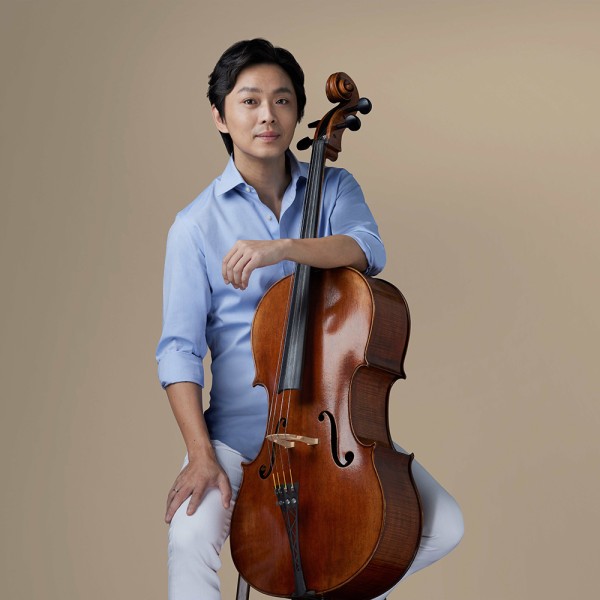
Samuel Barber’s Cello Concerto provides a striking contrast. I didn’t know the piece or soloist Li‑Wei Qin prior to this performance but I fell hard for both and became enthralled within a few phrases. Barber’s language is at once muscular and tender. There’s a sense of forces in flux, repelling and aligning in turns as the music pitches through complexity and full‑bodied romanticism, and in rare, sublime passages emulsifies intellect and sensuality into delicious combinations. Qin plays with a masterful ease as the concerto’s taut rhythms and brooding intensity melt into more overtly lyrical, sweeping gestures and back again.
This intensity primes the ear beautifully for Sergei Prokofiev’s Romeo and Juliet selections. Heard in this context, the suite’s rich harmonic language and dramatic contrasts feel especially meaty. Northey brings an additional degree of confidence and fluency to the Prokofiev and draws out the pleasure and flavours in the music. The programme includes well-loved excerpts alongside less familiar material, opening on the rich, self-assured menace of the iconic Montagues and Capulets. Throughout, the string section carries much of the work’s emotional and rhythmic weight with impressive stamina, catching the bite and precision required. Meanwhile, the brass and percussion relish Prokofiev’s more dramatic edges, delivering passages of formidable power.
By the end of the evening, we are warm, nourished, and satisfied. This is a concert that understands how to sustain indulgence and interest, leaving the audience, quite simply, well fed.