

Reviews - Regional News | Connecting Wellington

Reviews

Money, Money, Money | Regional News

Money, Money, Money

Written by: Rachel Davies and Angela Meyer

Allen & Unwin

Reviewed by: Jo Lucre

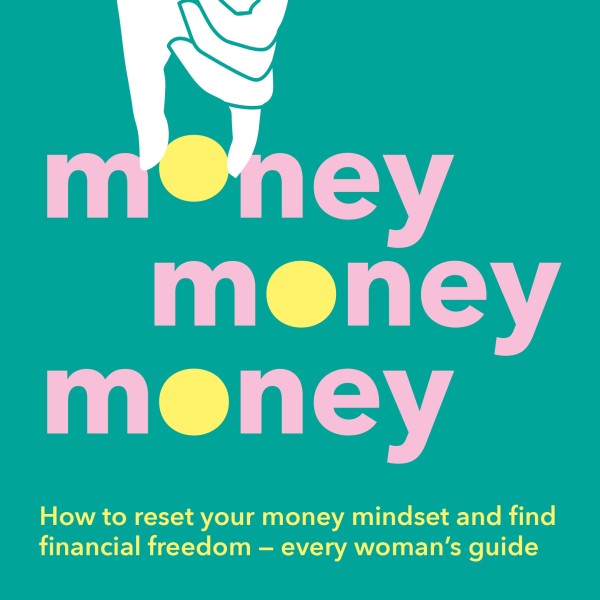
Money, Money, Money joins a long list of books that help you reset your money mindset. I found it stands out though, mainly because authors Rachel Davies and Angela Meyer are relatable. In Money, Money, Money, they share their relationships with money and experiences that show they understand what it is like to arrive at a particular destination in life without the whole money thing figured out. They explore what it was like reaching a milestone looking towards a future that would most certainly see them in the poverty trap that befalls many women in their later years.

Davies had reached the age of 48 with no KiwiSaver and hardly any savings.

For Meyer, her money was always wrapped up in much more than numbers – “it was also my worth, validity, hopes, dreams, and so much more,” she says.

In Money, Money, Money, the authors also share the stories of other women: their experiences with money, their relationships with it, and their beliefs – the good and the bad. As the creators of Hi Money, a business dedicated to educating and empowering women in financial matters, they’ve managed to really dig into all aspects of money and its complex nature while keeping things simple and straightforward.

There are checklists at the end of each chapter that help you literally ‘check’ yourself, giving you a helpful list to mentally tick off. The checklists aren’t just practical; they help you gain insight into your own unique money psychology, behaviour, journey, and experiences.

I particularly enjoyed the upper and lower limits chapter where Davies and Meyer talk about what your top and bottom limits are. What’s too little money for you? What numbers do you need to get down to before you start panicking? What’s the ideal number when it feels like enough? These questions really got me thinking deeply about my own numbers and what does and doesn’t feel comfortable.

Money, Money, Money doesn’t help you crunch numbers so much as it helps you understand your own motivations and money possibilities in a real and intentional way.

In The Best Interests | Regional News

In The Best Interests

Written by: John and Elisa Mendzela

Mendhurst

Reviewed by: Kerry Lee

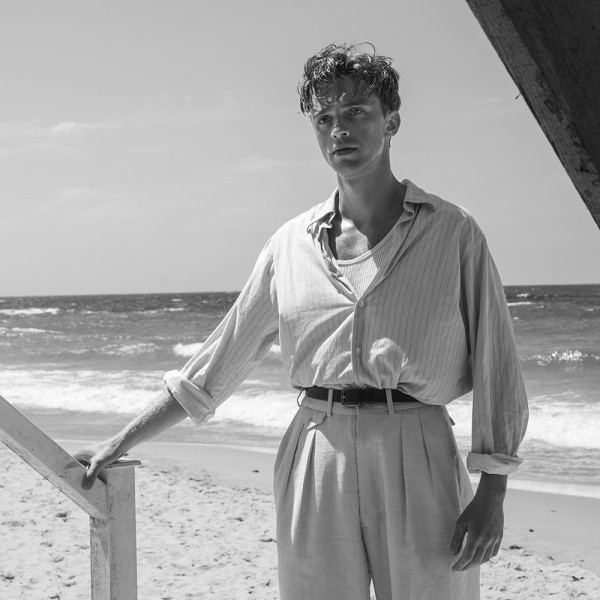
As husband and wife John and Elisa Mendzela discovered, sometimes truth can be far stranger and more dangerous than fiction. In the 1980s, the Western couple flew into Papua New Guinea to begin teaching at the Keravat College. Not long afterwards, they uncovered systematic corruption involving the sexual exploitation of Keravat’s students.

In The Best Interests: Intrigue and Payback in Papua New Guinea is a book I found hard to put down once I picked it up. The narrative non-fiction memoir had me shaking my head at the hurdles that both John and Elisa had to jump over to get someone to listen to them and act on their accusations.

John and Elisa take turns narrating the story. The shift in perspectives gives readers a full view of what is going on and fleshes out the dangers that both faced in order to tell their side of the story and to get Papua New Guinea authorities to act.

Both authors write extremely descriptively, painting a very realistic picture of what they were facing and how many roadblocks were put in their way. Neither of them shy away from describing the problems they encountered, the emotional toll that was taken, and the people who stood by them.

This was a novel that will stay with me for a long while. As someone living in a developed country, I cannot begin to fathom the problems developing nations faced roughly 30 years ago. In The Best Interests is one of those stories that you keep turning over and over in your head, simply because it is so difficult and terrible to comprehend how something like that could have been allowed to happen and why so many people would enable it.

Dedicated in part to ‘the Papua New Guineans of today who refuse to let the bad overwhelm the good’, I wholeheartedly recommend In the Best Interests to anyone who likes non-fiction mixed with a bit of intrigue. Easily my book of the year.

The Stranger | Regional News

The Stranger

(M)

122 Minutes

(5 out of 5)

Reviewed by: Isabella Smith

“Maman died today. Or maybe yesterday; I can’t be sure.” Those are the famous establishing lines in Albert Camus’ 1947 absurdist fiction The Stranger. The novel follows Meursault, a detached, emotionally flat young pied-noir man in French Algeria, whose apparent indifference to the death of his mother becomes the central focus of a trial he is later put on after murdering an Arab man on the beach beneath a blazing noonday sun.

I’m always nervous to watch a screen adaptation of a film – I’ve been let down so many times. I loved the novel when I first read it. For months after I held a scalpel up to my thoughts and actions, never more acutely aware of the performative nature of being.

François Ozon’s 2025 adaptation blew my expectations out of the water. Black and white, set in 1930s Algiers with spectacular performances from Benjamin Voisin (playing Meursault) and Rebecca Marder (his girlfriend Marie Cardona), the film is aesthetically striking. The monochrome format emphasises light and shadow and each scenes composition, only adding to the psychological intensity. With Camus’ sparse and detached prose described as ‘l‘écriture blanche’, or ‘white writing’, and the central, repeated motif of a blinding and oppressively hot sun, it was immediately obvious that a film adaptation could never have been in a colour format.

The novel received criticism due to its upholding of colonial views of indigenous Algerians as second-class citizens and its antipathetic treatment of Arab characters. The film, on the other hand, cleverly sets the story against the backdrop of French colonialism, giving a contemporary perspective on race and empire, and in some ways, challenging the absurdist backbone of the original text.  

While the slow burn might be difficult for some to sit through, for me the pacing was fundamental to the atmosphere, enabling each scene to feel essential, layering one on top of the other and building to the crescendo of the trial and Meursault’s subsequent sentence. The novel is short yet dense, hailed as a foundational text on absurdism that requires multiple readings. I found that the movie only added new depths to my understanding of the philosophical theory. Watching the film and reading the book calls the viewer’s heart into question, which to me is always a sign of excellent art.

Owe | Regional News

Owe

Written by: Jack McGee

Directed by: Campbell Wright

BATS Theatre, 23rd June 2026

Reviewed by: Oliver Mander

We don’t talk about money often enough in New Zealand. For something so critical and pervasive, conversations about money remain largely off-limits in polite company. Rightly or wrongly (usually wrongly), discussions are politicised rather than explored constructively.

It is refreshing to see Owe tackle this head on.

The script unfolds across 12 linked scenes, each carrying one character forward from the scene before. This structure allows the play to explore differing ideas of fairness around money through a series of interwoven, character-driven stories. The flexible set (Derrin Smith) and fluid staging enable swift transitions, maintaining the production’s pace, while the recurring characters create a strong sense of continuity. The result never feels episodic, a credit to Wright’s assured direction.

Despite the seriousness of the subject matter, Owe draws audience engagement through humour, encouraging reflection on what is usually the most awkward of conversations. At its core is the impact of economic insecurity on human relationships. Money becomes the language through which the characters measure love, obligation, fairness, generosity, and belonging. Even up-and-coming surgeon Steven (played by Austin Harrison) experiences his own form of economic insecurity in saving for a house purchase, echoing emotions experienced by Adria (Phoebe Caldeiro) as she is faced with an unexpected cost she cannot afford.

Serenity (Rachel McLean) and Andie (Ava O’Brien) are central in examining the tension between the transactional and emotional dimensions of relationships. Their assured performances stood out amongst a very strong ensemble cast, albeit aided by some of the most thought-provoking lines in the script. Andie in particular invites us to reflect on the duality within relationships: the transactions required to create order, separate from the underlying emotional connection that forms a deeper foundation. A relentless focus on the financials can suck the joy out of life, but enough ‘order’ is needed to create an accepted baseline. Owe recognises the truth in both positions.

There is much more to this show that I can cover here. I was left wanting more, not because the production was incomplete, but because it tackles discussions that are too often left unsaid. Squash Co. Arts Collective’s Owe plays at BATS until the 27th of June. A must-see.

Waenga | Regional News

Waenga

Written by: Hariata Moriarty and Tamati Moriarty

Directed by: Jim Moriarty and Regan Taylor

Toi Aro Arts Centre, 20th Jun 2026

Reviewed by: Tanya Piejus

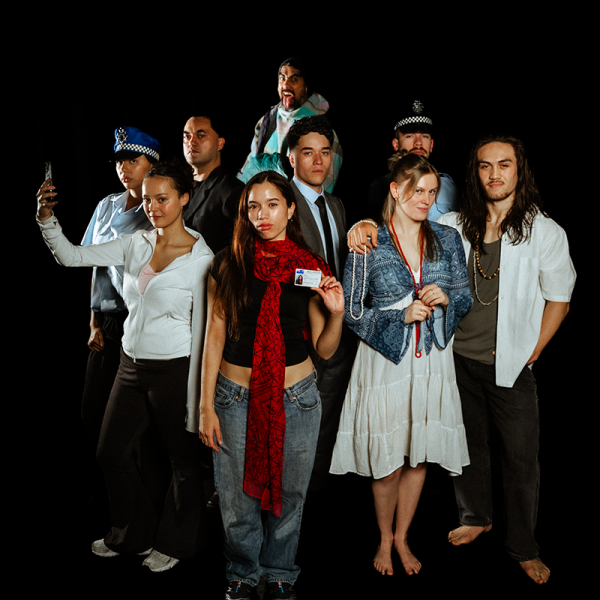
The black-box performance space at the new Toi Aro Arts Centre on Market Lane is an appropriately dark and claustrophobic space for staging Waenga, a large part of which is set in the cramped confines of a police station holding cell. Even before we go in, directors Jim Moriarty and Regan Taylor are barking orders at us to follow their instructions and move when told as the cast move in unison through the space.

Penned by Moriarty’s children, Hariata and Tamati, Waenga is a deeply relevant story of institutional racism against Māori performed by an energetic young cast through the lenses of satire and song. The talented Moriarty siblings also play the central characters of Connie and Grayson, two rangatahi who have very different ways of expressing their whakapapa and culture.

National Music School candidate Connie finds herself at the police station with a serious knock to the head after Pākehā crystal shop owners Gwendoline and Gavin (a hilarious pairing of Mycah Keall and Matiu Rata) object to her singing protest songs outside Uncle Rama’s shop. Idealistic Grayson is brought in as her duty lawyer to help her deal with the trumped-up charges. Meanwhile, her friend and social media influencer Peyton (a delightfully funny Brooke Wharehinga) learns the real meaning of Tangata Tiriti as she seeks to shine light on Connie’s unjust arrest.

The ensemble cast of nine expertly uses movement, dance, waiata, and a background of music beautifully provided by Rameka Tamaki on guitar to weave together this story with intelligence and wit. The belly laughs from the exaggerated Pākehā characters and the moments of wry humour offset the bleakness of Connie’s predicament and make her eventual fate more intensely emotional.

Importantly, the audience is invited for kai and kōrero with the cast and crew after the performance. There is much to ponder and unpick after 75 intense minutes, so the opportunity to do this communally is a welcome one.

The Marriage of Figaro | Regional News

The Marriage of Figaro

Presented by: New Zealand Opera

St James Theatre, 17th Jun 2026

Reviewed by: Ruth Corkill

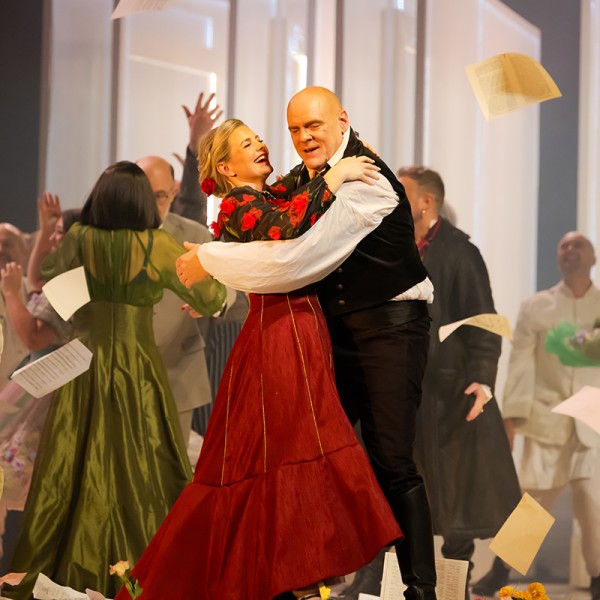
St James Theatre feels bright and cheerful tonight, already shrugging off Wellington’s crisp winter chill as we prepare for a summer romp in an 18th‑century country estate. Mozart’s The Marriage of Figaro is an opera that never loses its ability to delight, packed with theatrical momentum and comic invention, yet finding moments to blossom into extraordinary beauty.

Conducted by James Judd, New Zealand Opera’s production celebrates the work’s subversive qualities, shifting attention even further away from aristocratic dominance and towards the servants and women who drive the action. Director Lindy Hume has achieved this in simple and highly effective ways. The ensemble of servants open the production, busy with tasks and bustling around the stage for the whole of the overture, and remain visible onstage throughout as they eavesdrop and gossip.

This evokes a household thinking and acting together, an effect supported by the set design (Tracy Grant Lord). Modular transparent panels, echoing palace walling, are reconfigured swiftly to suggest new spaces. They are used particularly well to allow concealed eavesdroppers to remain visible to the audience from all angles. However, the stark white surfaces set against a dark backdrop fail to evoke the sun-drenched summer day in which the action unfolds.

The principal cast work with notable generosity. Their responsiveness to one another gives the performance a sense of spontaneity and flow. Julien Van Mellaerts is wonderfully comic and expressive as the Count, capturing both the character’s arrogance and his underlying fragility with deft precision.

Felicity Tomkins is a standout as the Countess, her voice both powerful and gorgeously controlled. Every line is delivered with poise and emotional clarity, filling the space without ever losing intimacy. She’s also a comic powerhouse, especially in the scenes with Cecilia Zhang’s Cherubino, where she establishes an authentic, quietly charged connection that is both sensual and barely restrained. During the wedding scene she is entrancing as she dances a defiant pasodoble with Mellaerts.

Throughout, there is a palpable sense of shared momentum as the cast bring this intricate social world to life, ensuring the opera continues to feel vivid, generous, and completely entertaining.

Romeo & Juliet | Regional News

Romeo & Juliet

Presented by: New Zealand Symphony Orchestra

Michael Fowler Centre, 5th Jun 2026

Reviewed by: Ruth Corkill

This evening’s programme offers a carefully graded emotional journey, moving from introspective delicacy through virtuosic intensity to full‑blooded theatrical sweep. Under Benjamin Northey, the New Zealand Symphony Orchestra navigates these shifts with clarity and purpose, allowing each work to establish its own atmosphere without losing an overarching sense of cohesion.

Kenneth Young’s Douce Tristesse opens the concert, unfolding in soft pulses and drifting lines, creating an impressionistic wash of sound that would not feel out of place underscoring a turn‑of‑the‑century period drama. The orchestration is luminous without ever becoming showy, and as the piece eases into silence, I hear murmurs ripple through the audience: “pretty, so pretty.”

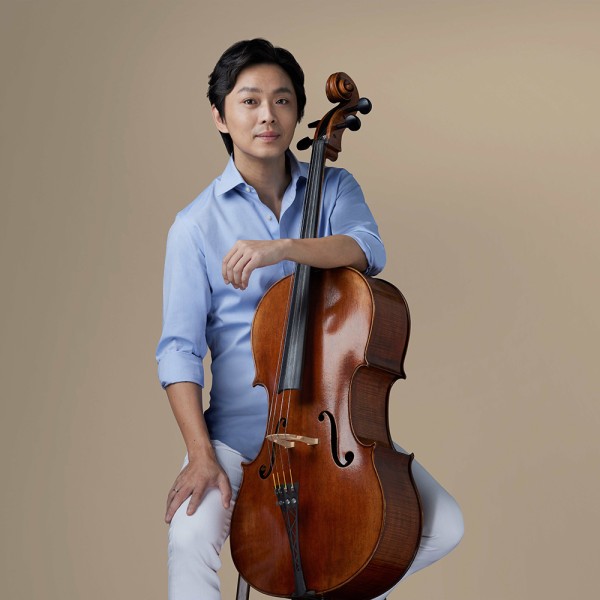
Samuel Barber’s Cello Concerto provides a striking contrast. I didn’t know the piece or soloist Li‑Wei Qin prior to this performance but I fell hard for both and became enthralled within a few phrases. Barber’s language is at once muscular and tender. There’s a sense of forces in flux, repelling and aligning in turns as the music pitches through complexity and full‑bodied romanticism, and in rare, sublime passages emulsifies intellect and sensuality into delicious combinations. Qin plays with a masterful ease as the concerto’s taut rhythms and brooding intensity melt into more overtly lyrical, sweeping gestures and back again.

This intensity primes the ear beautifully for Sergei Prokofiev’s Romeo and Juliet selections. Heard in this context, the suite’s rich harmonic language and dramatic contrasts feel especially meaty. Northey brings an additional degree of confidence and fluency to the Prokofiev and draws out the pleasure and flavours in the music. The programme includes well-loved excerpts alongside less familiar material, opening on the rich, self-assured menace of the iconic Montagues and Capulets. Throughout, the string section carries much of the work’s emotional and rhythmic weight with impressive stamina, catching the bite and precision required. Meanwhile, the brass and percussion relish Prokofiev’s more dramatic edges, delivering passages of formidable power.

By the end of the evening, we are warm, nourished, and satisfied. This is a concert that understands how to sustain indulgence and interest, leaving the audience, quite simply, well fed.

The Other Boleyn Girl | Regional News

The Other Boleyn Girl

Adapted by: Mike Poulton

Directed by: Ewen Coleman

Gryphon Theatre, 28th May 2026

Reviewed by: Dani Yourukova

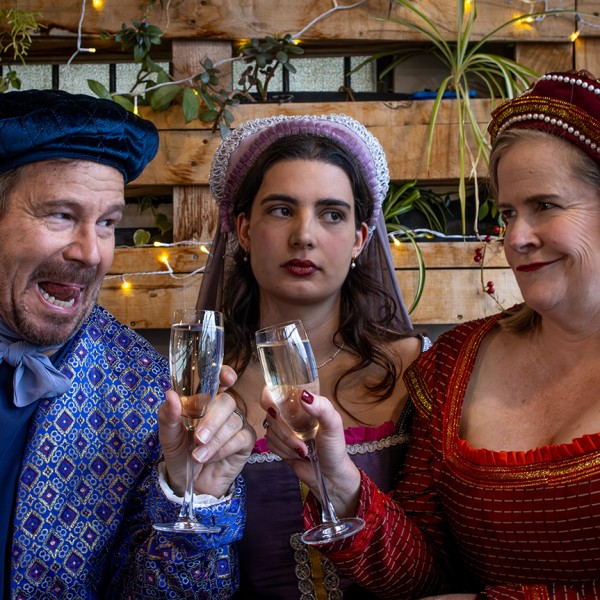
It seems only fitting that Wellington Repertory Theatre’s centenary production (Mike Poulton’s stage adaptation of The Other Boleyn Girl) is royal, indulgent, and completely lavish.

On the night, the atmosphere is heady. There’s something period-accurate about the chaotic press of fellow theatregoers refusing to queue as we are swept towards our seats from the packed foyer of the Gryphon, but it’s once we’re inside the theatre that we’re really transported. Soft lute music plays, the smell of church incense burns, and the three leads (Ava Wiszniewska, Yasmine Alani, and Joseph Corbett as the Boleyn siblings) lounge onstage in silky undershirts and stockings, brushing each other’s hair. This is the first and last time you’ll see them enjoying each other’s company. Conniving, back-biting, sexual taboos, family dysfunction, and intimate personal betrayals rapidly ensue in this audacious historical melodrama set in the royal court of Henry VIII.

The production is extravagantly costumed by Anne De Geus in a wealth of colour and texture, with a little dash of humour. Highlights include the outrageous, hot-pink glitter explosion used to garb Anne Boleyn (in period-accurate silhouette, by the way), and pale, pouty goth Jane Seymour (Livi Dalley), whose skirts are adorned with black lace skulls. 

If you’re not familiar with the story, the script is bonkers (there are gasps and nervous giggles in the crowd as some of the more extreme beats play out), but it’s executed with verve by the cast. Alani is a bold and charismatic Anne, whose performance alternates between pride, vindictiveness, foot-stomping tantrums, and the occasional crackle of vulnerability. Wiszniewska plays the titular ‘other’ Boleyn sister with sensitivity and dignity, providing a grounded centre to the mad drama swirling around her. Meanwhile, the supporting cast populate the world with lovers, enemies, political rivals, and worst of all, family. The machinating Boleyn elders (played by Kevin Hastings, Catherine McMechan, and Mark Wilton) are a particular joy to watch. 

It’s a fun, ambitious, production and a rollicking good way to celebrate the centenary. Congratulations Wellington Repertory Theatre (and here’s to another hundred years)!

Not in Our Neighbourhood | Regional News

Not in Our Neighbourhood

Written by: Jamie McCaskill

Directed by: Maaka Pohatu and Paul McLaughlin

Running at Circa Theatre till 13th Jun 2026

Reviewed by: Madelaine Empson

Jamie McCaskill wrote Not in Our Neighbourhood while working at Te Whāriki Manawāhine o Hauraki, the Hauraki Women’s Refuge. The play features five characters: documentary filmmaker Maisey Peters; Moira Makarere, who runs the Women’s Refuge Safehouse; and three of its current residents, Sasha Miller, Cat Rakiura, and Teresa Cummings. Drawn with permission from the experiences of wāhine living in the safehouse during McCaskill’s 18-month tenure, the three women – one fiery, one stoic, one reserved – could not be more different but have each survived domestic violence. In the play, they have agreed to feature in a documentary about Hauraki Women’s Refuge and are speaking with Maisey about their experience.

Bringing all five women to life with masterfully quick kick-ball-changes and heightened physicality is Hariata Moriarty. Moriarty’s performance style is elevated and theatrical, especially during moments of direct address. The gifted actor starts at 100 and doesn’t let up. Her energy is impressive, her passion palpable, her compassion and conviction clear. The whirlwind is breathtaking but dizzying. Due to the intimacy of Circa Two, and how close even the back row is to the stage, more moments of softness and stillness would serve to contrast against – and therefore amplify – the heavier scenes. I feel that dialling the delivery back in parts would allow the dialogue to breathe, thus giving vital messages more room to unfurl, to echo through the space, to impact. 

Vital it is. Not in Our Neighbourhood is deeply affecting, and everyone’s incredible mahi – from the wāhine and the refuge to the consultants, creatives, cast, and crew members who have brought it to the stage, both now and in the past – should be commended and celebrated. One particularly powerful scene sees Moriarty sensitively deliver Cat’s victim impact statement amidst a gorgeous and striking lighting state change from Emile Commarieu. This highlights one of the work’s central tenets: the way we stigmatise, blame, and shame the victims of family violence needs to change.

Presented by Taki Rua Productions, Not in Our Neighbourhood says it is in our neighbourhood. It is in our community. But there is help, and with that comes hope.

James Mustapic Yourself Up And Get Back On That Saddle Girlfriend | Regional News

James Mustapic Yourself Up And Get Back On That Saddle Girlfriend

Created by: James Mustapic

The Hannah, 22nd May 2026

Reviewed by: Dani Yourukova

I’m hectic by the time I arrive in the foyer of The Hannah for James Mustapic’s newest solo show. I’ve been battling the bus timetable, one of my jobs has just imploded, my date cancelled last minute, and I’ve got a little smear of hoisin sauce on my shirt, which I’ve spilled out of a bao bun over dinner. So, I am primed and ready to experience James Mustapic.

Because, as it turns out, James Mustapic has been having a hard time too. The full story unfolds over the course of the hour in a gloriously labyrinthine, multimedia yarn of new boyfriends, poorly received Seven Sharp segments, driving lessons, chlamydia, deranged flatmates who may or may not be on meth, exorcisms both metaphorical and literal, and a plethora of other failures and vulnerabilities, including his own mum showing up late to the show. “Janet?” he asks the packed theatre, hopefully. No answer.

The show is extremely personable, and desperately relatable throughout. I was invested in every trainwreck flatmate who moved in, and felt gleefully malicious towards every commenter on Mustapic’s Facebook post. I laughed maniacally all through his opener, which was essentially a PowerPoint presentation about being unpopular with old people on the internet. And when Janet finally joined us, 20 minutes in, we all went wild.

James Mustapic Yourself Up And Get Back On That Saddle Girlfriend is a show that’s fundamentally about trying, and failing. Correspondingly, the tone is casual, haphazard, and genuinely intimate. Mustapic leaps between bits, occasionally stopping to show you a captioned text message or a funny video, and it’s all a little like listening to your very funniest friend telling an anecdote. Although Mustapic is, I think, a deceptively organised storyteller. Structurally, the wandering anecdotes always come back around, building surprising connections and landing increasingly esoteric punchlines. “And that’s what air fryers have to do with being gay.” Mustapic says triumphantly at the show’s conclusion. By the time you get there, it all makes perfect sense.

Tommy Emmanuel | Regional News

Tommy Emmanuel

Living in the Light Tour 2026

The Opera House, 22nd May 2026

Reviewed by: Graeme King

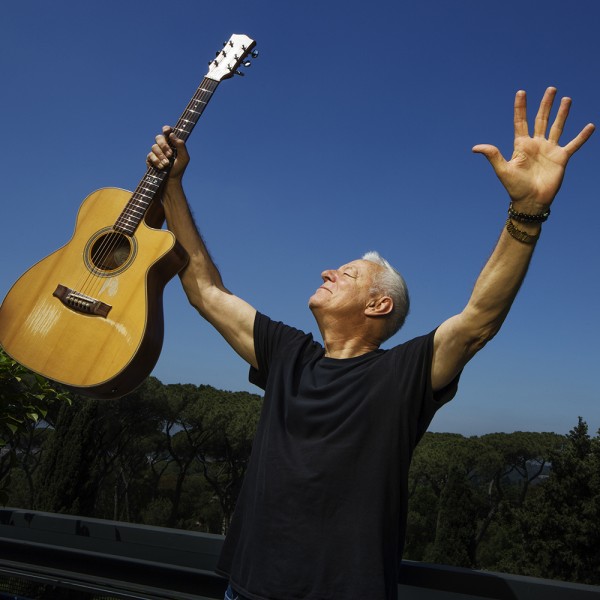
GRAMMY®-winning Australian guitarist Tommy Emmanuel is touring his 2025 album Living in the Light. Such is the quality of his musicianship that five of the 11 tracks were recorded in one take, then finished and mixed in one day. 

The vibrancy of Black and White To Colour made it the perfect track to start. After Young Travelers and A Drowning Heart, also off this new album, Tommy said “No list here, I’m making it up as I go along”. Guitar Rag followed, then segued into Nine Pound Hammer with Tommy saying “Take it boys” then proceeding to make a percussive, washboard sound by scratching his pick on his guitar while playing a rolling bass, accompanied by his deep, rough-edged vocals. Amazing. 

He preceded Endless Road with an explanation of a period in his life, when deep in pain and grief, his music kept him going. The Sharon O’Neill classic Maxine followed, with Tommy’s vocals evoking the sadness of the lyrics. On The Beatles’ Michelle, the harpsichord-like harmonics were breathtakingly beautiful.

The vocal intro for Angelina, written for his daughter, was an added treat, as the original album track was instrumental only. Nat King Cole’s Mona Lisa, in the jazz idiom and a favourite of Tommy’s, was gorgeous. On Mombasa, that he wrote in Africa, he hit a light brush on his microphone while using his guitar to create complex percussive African rhythms. This jaw-dropping, almost indescribable technique left him breathless. Auckland singer Phil Madsen took up Tommy’s challenge to sing John Farnham’s divine Burn for You. Voice and guitar were superlative. Tommy then quipped Here’s a celebration of a band I was once in”, launching into a blistering version of Dragon’s April Sun in Cuba, with the crowd joining in raucously.

Tommy welcomed back to the stage the superb support act, English finger style guitar player Mike Dawes, for Sting’s Fields of Gold and Nirvana’s Smells Like Teen Spirit. For John Mayer’s Slow Dancing in a Burning Room, Tommy said “we’re going to play a song to take you out tonight which will just leave us all in a good vibe, man. Just enough room for some hokey pokey ice-cream, oh yeah... my drug of choice!” A good vibe indeed had by all.

Titan | Regional News

Titan

Presented by: New Zealand Symphony Orchestra

Conducted by: Gemma New

Michael Fowler Centre, 22nd May 2026

Reviewed by: Tamsin Evans

The Origin of the Harp (Thomas Adès) was a true origin story. No harp in the music but conductor Gemma New did evoke the watery environment of the nymph and her transformation into a harp. New is a great storyteller, setting the scene for us and drawing the story in sound with confidence and clarity.

New suggested to us Erich Wolfgang Korngold’s Violin Concerto in D major was sweetness and sentimentality, perhaps a reference to the strong influence his writing of film scores had on his classical works. Celebrated for bringing classical musical language to the movie soundstage, his Violin Concerto borrows back from some of his film soundtracks.

Soloist James Ehnes had every musical avenue covered whether sweet, sentimental, or serious. Ehnes’ technique was impressive. There are some seriously virtuosic parts, especially in the final movement, and he played with a thoughtful and considered interpretation of the many aspects of this work. His encore, Eugène Ysaÿe’s Sonata for Solo Violin in D minor, is a dazzling and spectacular performance piece and Ehnes’ performance was as dazzling and spectacular as anyone could wish.

Gustav Mahler’s Symphony No. 1 in D major, Titan is an interesting musical miscellany. Mahler composed a symphonic poem, included previously written work, and subsequently revised and altered it over several years before it settled into the form we know today. Over four movements we traverse the natural world, a rustic community setting, an uneasy, distorted view of life and death, and a glorious finale.

New and her players had a lot to work with. Through clever interpretation and expert performance, they brought order to the somewhat jumbled narrative. New’s open arms and open-hearted direction could be heard in the orchestra’s sound, from the delicate opening harmonic in the violins, through a grim, minor key version of Frère Jacques with klezmer interlude, to a glorious finale, complete with standing fanfare of seven horns.

The Lost Climber’s Legacy | Regional News

The Lost Climber’s Legacy

Written by: Julia Millen

Writes Hill Press

Reviewed by: Margaret Austin 

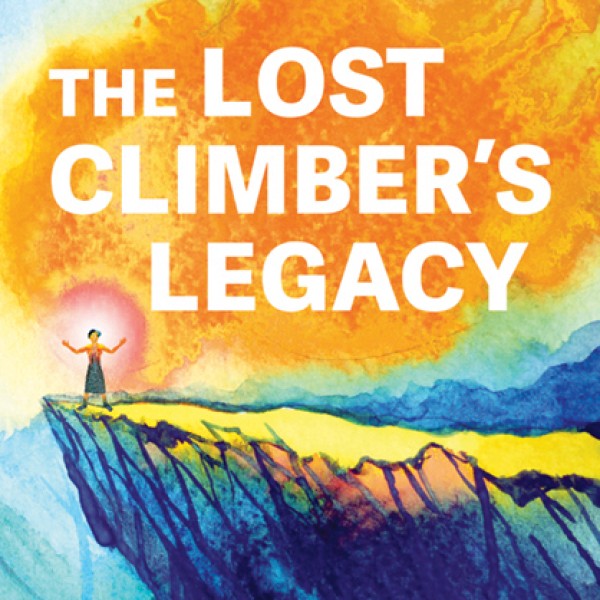
Julia Millen is a tramper, a climber, and a mountaineer. On top of all that, she’s a writer! Her first novel, following 17 earlier works, is a true summit of all three, offering thrills, spills, triumphs, and shocks enough to satisfy the most demanding literary mounter.

To say nothing of mystery and suspense. These are signalled at the outset by the central character Deirdre in her words: “She’d put the past behind her, moved on, and had no intention of going back. Never look back.” Fate was about to fly in the face of such a determination, and the gradual unfolding of what’s deeply bothering Deirdre forms the following narrative.

Deirdre, or Dee as she prefers to be called, has had quite a life. Having to recall it 30 years on, when hearing the disturbing news that human remains of a climber have been found in a South Island glacier, brings a mixture of tension, excitement, and guilt. All that time ago, on a mountain expedition in the company of fellow climbers – all men but one – she’d enjoyed sexual encounters with a few while the others were absent. Away climbing.

And one of them has had an accident. But which one? And what was Dee’s connection with him? And with what consequences? The narrative moves back and forth in an increasingly gripping ascension involving all characters – Dee’s ailing mother and daughter included.

Descriptions of climbers’ actions in the face of obstacles and hazards are graphic. Readers may easily imagine Millen has faced them personally. Slippery snow-spattered rock and overhanging fractured ice must be navigated, bad weather endured, and hunger and thirst unabated until safety is reached in the form of a hut or shelter, or at least a handful of scroggin. Relief is palpable.    

References to the 60s will arouse wry grins in readers who recall landline telephones, messy student flats, and hard-to-get prescriptions for the pill.

Put your boots on, rope up, and go searching for the lost climber’s legacy.

Peter Hujar’s Day | Regional News

Peter Hujar’s Day

(M)

76 minutes

(4 out of 5)

Reviewed by: Isabella Smith

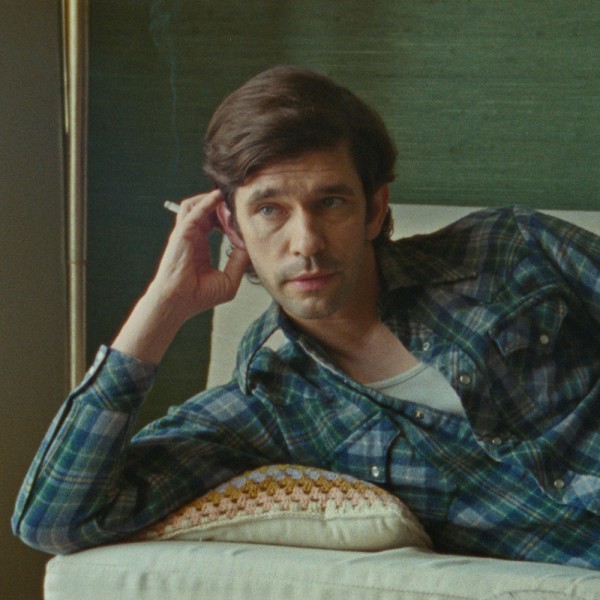
Known for his spare, emotive black-and-white portraits of the denizens of queer, creative, and intellectual circles in 70s and 80s New York, Peter Hujar’s Day is a verbatim account of a certain day in the photographer’s life. Directed by Ira Sachs and shot on Super 16mm film stock, the film is a quiet yet commanding time capsule, a chance to eavesdrop on a dramatic reimagining of a tape-machine recorded interview between two friends, the writer Linda Rosenkrantz (Rebecca Hall) and Peter Hujar (Ben Whishaw).

The warm tones of the film, with deliberately janky cuts and scratches, shows them moving around Rosencrantz’s stunningly dressed apartment, shifting with the sun from table to couch to rooftop to kitchen while Hujar describes in detail what he did the day before. It is gentle and meditative, affectionate and slow. The pace gives space to the audience to consider the mechanisms of memory and legacy, the sieving effect of time, and the tragic loss of not only a brilliant photographer, but a human being with aches and pains and concerns around money, health, and work – just like the rest of us.

What marks his day as different from anyone else’s are his phone calls with the likes of Susan Sontag and Fran Lebowitz, his appointment with Allen Ginsberg to photograph him for The Times – who was cool, distant, and took to chanting at every available moment – and his plans to photograph William S. Burroughs the following day. Otherwise, he takes several naps, puts off his work, eats Chinese takeout, and only seems to come alive after midnight, when he practices Bach on the harpsichord.

While perhaps only compelling to fans of Hujar, or audiences interested in artistic process, Whishaw and Hall do an incredible job of what would be a complex performance to pull off: the subtle embodiment of quirks and mannerisms of two historical figures to make it appear effortless and documentarian. Each frame feels like a picture, and for me the 76-minute runtime was the perfect length. Running like an alternate reel the entire time is a sense of loss, knowing that Peter Hujar, among many of the friends he photographed, died of AIDS in 1987 in the midst of the crisis, the devastating effects of which had profound effects on his artistry and legacy.

Oliver Pol: Featherbrained | Regional News

Oliver Pol: Featherbrained

Presented by: Oliver Pol

BATS Theatre, 20th May 2026

Reviewed by: Zac Fitzgibbon

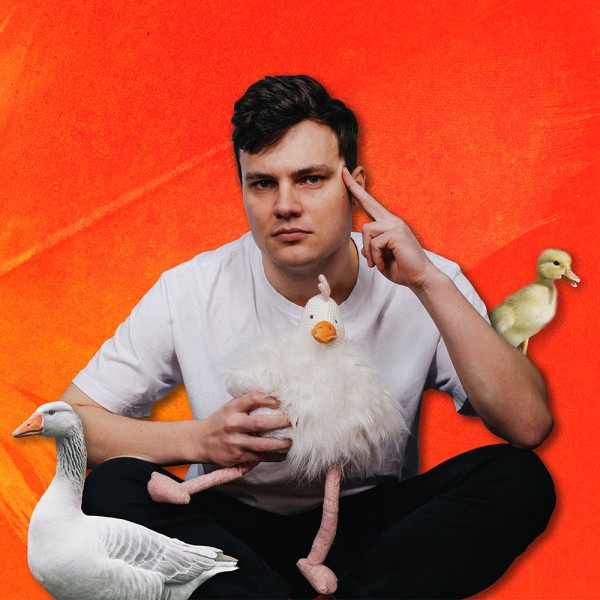
The show begins as a rambunctious Oliver Pol runs centre stage, and as soon as this happens, we know that we are in for 60 minutes of pure chaos. Oliver Pol: Featherbrained is a no-holds-barred comedy set destined to make you honk with laughter.

Pol has unwavering confidence and is unabashedly himself, which makes his set feel more personal and, as a result, more engaging. By the end of it, we know the details of his life, perhaps even more intimately than we bargained for (in a good way). He connects us to early 2000s culture in New Zealand, exploring the struggles of obtaining a pen licence in primary school, the 2007 Guinness Book of World Records, and the Fish and Chip Song, which was, apparently, the major craze at every school in the country apart from mine.

Pol is not afraid of the tricky stuff. He finds the humour in hard-hitting topics with tact and sensitivity – a delicate balance to strike. At the same time, he doesn’t hesitate to talk about whatever seems to spring to his mind, giving the show a spontaneous and authentic feel. He will make you question the morality of a seagull eating a pigeon. His flair for comedy will leave an imprint on you like a hickey. I absolutely adore his unhinged comedic stylings.

Using props and a presentation screen adds to the performativity of the routine and further illustrates the passion Pol has for the topics he discusses. If only there was ventriloquism involving a goose… though that would reveal the innermost thoughts of said goose, in turn uncovering a brain possibly even more wonderfully chaotic than Pol’s. And besides, this is a show about him, not about geese (though they do feature a lot).

This show will make you laugh more than an article on drunken geese in the 1881 Lyttelton Times. Oliver Pol: Featherbrained is a wild ride, and you would be a silly goose to miss its run at BATS Theatre this NZ International Comedy Festival.

Driving Me Crazy | Regional News

Driving Me Crazy

Created by: Mo Munn and Q Potts

BATS Theatre, 20th May 2026

Reviewed by: Oliver Mander

Wellington-based comedy couple Mo Munn and Q Potts put their relationship on show in this sketch comedy performance. Most couples would likely cringe at the thought of teaching their partner to drive, and that makes the core premise instantly relatable.

But teaching a partner to drive is merely the vehicle for an exposé of the social constructs that define the roles of men and women in relationships, and the boundaries surrounding control and trust. Every relationship is different, but Munn and Potts’ affectionate prodding of gender relationship stereotypes kept this happily married reviewer cackling for most of the evening.

As a sketch comedy show, Driving Me Crazy relies heavily on seamless transitions between scenes. This worked well, although some in-scene delivery felt slightly stilted at times as Munn and Potts invented their next line. Munn in particular covered these momentary interruptions of flow well, adding to the comic rhythm of the performance.

Each sketch added to the emotional range of the show, moving from domestic argument to parody, physical comedy, and genuine affection. Potts offered some of the best comic timing of the night during a parody of Greased Lightnin’, with a simple repeated line that contrasted with Munn’s exuberant performance. Munn, meanwhile, was especially strong when ordinary anxiety tipped into full catastrophic fantasy.

Props were well hidden amongst the main set piece, allowing the stage to look clean and uncluttered. Occasional slides added context without distracting from the action on stage.

This was a cleverly designed, smart sketch show that kept the audience laughing while offering enough relationship truth to create comedy warmth. Perhaps it would benefit from a touch of editing to keep the audience focused on the core relationship dynamic (rather than the occasional mild bout of regional parochialism), but beneath the competitive grievances and driving-related trauma was a portrait of two people who know exactly how to wind each other up, and why they still choose each other anyway.

Driving Me Crazy: a show full of laughter that many couples will recognise, even if they would rather not admit it.

Hoani Hoani Hoani Must Be Funny in a Rich Man’s World | Regional News

Hoani Hoani Hoani Must Be Funny in a Rich Man’s World

Presented by: Hoani Hotene

The Fringe Bar, 19th May 2026

Reviewed by: Zac Fitzgibbon

Hoani Hoani Hoani Must Be Funny in a Rich Man’s World is Hoani Hotene’s latest set and is filled with jokes that will encroach on you like baked beans on a big breakfast (or the English in general). Just as humans gave lemons life, Hotene gives life to the room, with constant laughter after every joke.

Having previously performed his set in Auckland, Hotene now relates it to a Wellington audience, drawing on our café culture, what it’s like being from Lower Hutt, and the famous moa button at Te Papa. He even infuses a fraught situation – the current state of New Zealand politics – with light and humour.

Crowd work is certainly one of this comedian’s many fortés. Throughout the set, he improvises jokes based on our conversations, which not only engages us more but also makes things feel more genuine. It’s nice to see a comedian tailor their show to their audience, even if there are disagreements about whether people attending a conference together are genuine friends. And just when you think he can’t amp it up any further, Hotene brings out a guitar and plays a song that ties everything together in a perfect bow, making the audience buzz with laughter once more.

Another skill I commend him for is his ability to make his personal life hilarious. Hotene is able to use seemingly normal interactions, such as watching your three-year-old cousin learn about social clout, to make the whole crowd go wild. This is no ordinary feat.

You will laugh like you never have before watching this show. Don’t be like someone who washes old toothbrushes around the house to reuse them. Instead, use the money you would’ve spent on a new toothbrush to buy tickets to Hoani Hoani Hoani Must Be Funny in a Rich Man’s World at The Fringe Bar before it’s gone like the moa.

Stamptown | Regional News

Stamptown

Presented by: The New Zealand Comedy Trust

The Hannah, 19th May 2026

Reviewed by: Numi Stössner

What do ghost hunters, gangster rap, hula hoop, and comedy have in common? If you guessed nothing, you clearly have not been to Stamptown. This popular five-time New York Times comedy pick combines acts from around the world to form one wild and unique experience. I got to see the first night in Wellington as part of the NZ International Comedy Festival, and when I tell you this show has it all, I mean it.

It all kicks off with an impressive rollerblade performance (Dylan Woodley), which quickly develops into a full-blown dance party. It’s an unexpected start and certainly won’t be the last time I’ll be surprised tonight. The show continues with Stamptown’s host and creator Zach Zucker, whose manic performance is underlined by a variety of sound effects that are equally funny and irritating. Be it kangaroo calls, rap music, or gunshots, Zucker hilariously adapts and improvises around whatever noise he is given.

Throughout the night, various artists show up on stage, mostly making it up as they go. There is no plot or plan, only pure chaos. Classical stand-up comedy, fire breathing, and pantomime striptease all come together in what is probably the craziest, weirdest, and most unhinged show I’ve ever seen. You truly cannot anticipate what’s coming next. However, this unpredictability is also Stamptown’s biggest strength, and I can’t help but laugh at the outrageous things unfolding before my eyes. The chaos also makes me understand the extensive trigger warnings at the entrance, as nudity, fire, and flashing lights don’t just appear; they happen all at once.

Judging by the reviews, Stamptown is something you will either love or hate. Either way, you will never forget it. Whether it is a circus, a comedy show, or performance art, I am still unsure. Is it, at times, obscene and insulting? Yes. Does it leave me dazed and confused about what I have just witnessed? Yes. Would I go again? Absolutely.

Redemption | Regional News

Redemption

Presented by: Ginge & Minge

BATS Theatre, 15th May 2026

Reviewed by: Tanya Piejus

Beloved Wellington pairing Ginge & Minge give failed comedy ideas a second chance for this year’s NZ International Comedy Festival. They’re at pains to point out that this isn’t an original idea. However, their format just might be.

As the audience arrives, we’re each offered a scrunched-up ball of orange paper that matches the giant silky sash draped across the back of the stage and the paper crown ready to be awarded for successful sketch redemption. Proclaiming “We love s*** ideas!”, our energetic hosts introduce their four Vessels of Comedy (Austin Harrison, Matt Hutton, Mo Munn, and Ralph Hilaga), improvisers who will act out each previously unloved sketch by a guest comedian.

Wiremu Tuhiwai is the first to offer an idea inspired by Herman’s Head and Inside Out. Somewhere in Minge’s mind palace is the missing link between a good Subway sandwich and how to look fly. With four emotions from the audience, the troupe embarks on a hilariously chaotic sketch about vegan mayonnaise. When your audience has only one vote per person, it’s tough going first and, sadly, Tuhiwai’s sketch is ‘redumbed’ rather than redeemed.

Next to run the comedy gauntlet is Zach Mandeville. His sketch centres on a boyfriend being introduced to his new girlfriend’s besties but who is unable to recognise himself in a mirror. Hilaga does a particularly well-developed job of taking on the role of the boyfriend who keeps trying to order drinks from his own reflection. I decided this clever idea was worthy of my orange ball and flung it at the end along with many other audience members, so redeeming Mandeville’s sketch and earning him the paper crown.

Last up was an improvised musical from Lia Kelly called Pacifist Praying Mantis Wedding. The on-the-spot songs were a little hit and miss, but Harrison and Hilaga’s arm-swaying duet with dubious backing vocals was a winner. Sketch redeemed!

With a fresh spin on improv, vibrant hosts, and a talented cast, Redemption is another success for an award-winning duo.

Mum Wants A Girlfriend (For Me)? | Regional News

Mum Wants A Girlfriend (For Me)?

Created by: Henry Yan

Cavern Club, 12th May 2026

Reviewed by: Oliver Mander

Henry Yan is an Auckland-born comedian, now based in Melbourne. His stage persona is “nerdy but cool”, with a quirky delivery style that emphasises social awkwardness. Whether ‘real’ or not isn’t relevant; in Mum Wants A Girlfriend (For Me)?, it becomes the engine of a superbly warm, funny, and unexpectedly affecting performance.

Yan riffs on dating apps, office life, Excel, engineering, weddings, Instagram algorithms, and, in one glorious detour, the case for replacing cars with horses. The topic jumps are more cleverly constructed than they appear; they all return to the central anxiety of being single, wanting connection, and not quite knowing how to ask for it.

What lifts the show is Yan’s control of discomfort. He tells us early that part of his comedy involves sitting in tension until it moves, and he keeps that promise. Pauses, soft “yeahs”, and sudden reversals become part of the rhythm. A punchline often arrives just after the moment when silence has become almost too exposed.

That leads to an authentic performance. The key theme underlying this show is to find the love in yourself before seeking it in others. Easy to say; hard to do.

Nonetheless, we can all relate. Not everyone enjoys being single. Yet Yan is not afraid to tackle this head-on. The angst around reciprocated affection, the judgement of a person only just met, and the social pressure to find a partner form a structural backbone supporting the underlying theme.

My personal surprise was Yan’s effectiveness at interacting with his audience. Audience members were gently drawn into the performance as it unfolded, with the exchanges creating a sense of shared vulnerability. That allowed the bigger laughs to land harder and the reflective moments to feel earned.

Authentic, quirky, skilfully uncomfortable, and utterly relatable, this was a genuinely impressive hour. Yan is already a very funny comedian. He has the craft and emotional intelligence to become a distinctive one.