

“Wuthering Heights”
(M)
136 minutes
(2 ½ out of 5)Reviewed by: Alessia Belsito-Riera
I haven’t read the book, but I can say with certainty that those who have will very likely not be pleased with this liberal adaptation of Emily Brontë’s groundbreaking novel Wuthering Heights. Smut-centric BookTok, however, will go absolutely feral.
A tale of lust and longing, madness and macabre, “Wuthering Heights” captures the storm of passion that ricochets between the somewhat-of-status Catherine Earnshaw (Margot Robbie) and servant-of-sorts Heathcliff (Jacob Elordi). From brooding glances to unspoken yearning, roiling anger to frenzied passion, bottomless despair to utter depravity, this film is truly a romance of epic proportions played fervently and intensely by its leads.
For an idea of what might await the viewer, one must only look at the poster: the clinch pose familiar from bodice-ripper books signals explicit passion and historical spectacle. Director, writer, and producer Emerald Fennell’s adaptation is designed to be as shocking to today’s audiences as Brontë’s would have been in the 1800s; it aims to disturb, disgust, and arouse.
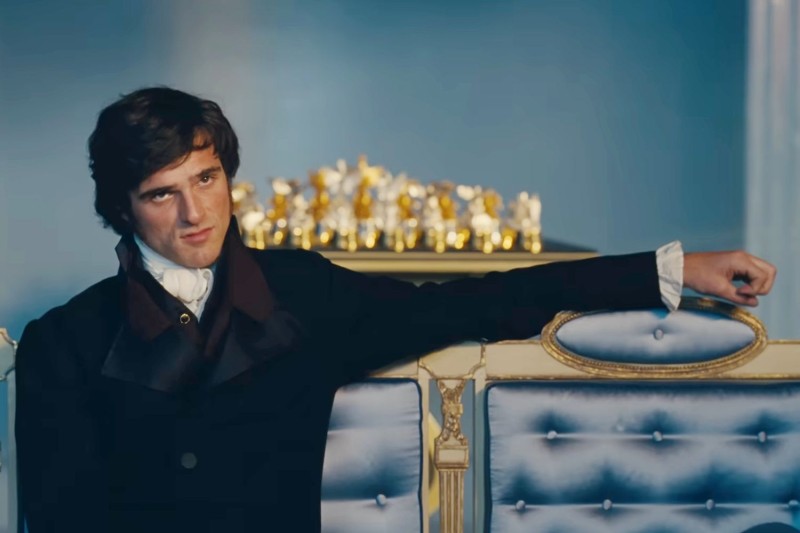
Suzie Davies’ production design dances equally between two worlds: one decadent and hedonistic, the other stark and severe. It’s rich in symbolism and verging on surrealist, with not-so-subtle visual cues reflecting the inner turmoil of the characters. It’s certainly not afraid to depart from historical accuracy. Composer Anthony Willis crafts a soundtrack equally anachronistic, but no less fitting. Filmed on the desolate and melancholic moors the tale is famous for, Linus Sandgren’s cinematography is a visual feast that hungrily devours Catherine and Heathcliff’s insatiable appetites.
However, by leaning into the carnality and romantic aspects of the story, Fennell’s adaptation compromises what makes Brontë’s so great. The novel is not a romance, perversion is not sought, what Catherine and Heathcliff share is not the kind of love one yearns for. Fennell’s “Wuthering Heights” – despite being much more explicit in a sense – will never reach the depravity of the original. Nor will it ever achieve the depth that made Brontë’s tale groundbreaking.
View more reviews:
« Click here